Criminal Minds
Season 12 Analysis
Season Overview
No specific overview for this season.
Season Review
Categorical Breakdown
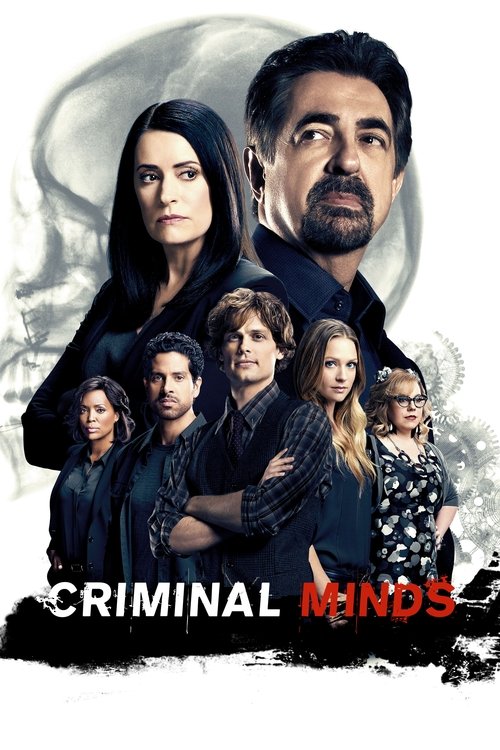
The cast additions include a Latino male agent (Alvez), a Black male agent (Walker), and a Black female agent (Lewis) promoted to series regular. Emily Prentiss, a white female, takes the Unit Chief role. The representation of diverse characters in powerful roles is evident. However, the plot does not use the narrative to lecture on privilege or systemic oppression; character merit and professional competence drive their roles and actions.
The BAU, an American federal institution, is consistently portrayed as a positive, protective force and a surrogate family. Aaron Hotchner's exit is explained as a protective decision to secure his son's safety from a domestic terrorist, framing the act as a defense of the nuclear family. The team rallies to defend one of their own against an external, corrupt justice system (Reid's prison arc in Mexico), demonstrating institutional and national loyalty.
Female characters hold significant power and responsibility, with Emily Prentiss assuming the top Unit Chief position. J.J. and Dr. Lewis are established, highly competent profilers. This high concentration of powerful women in leadership positions is a staple of later-era 'Criminal Minds.' The male characters, while sometimes facing emotional turmoil (Reid's imprisonment), are generally depicted as capable professionals, not bumbling or toxic, preventing a high 'Girl Boss' score.
The season contains no discernible plot points that center on alternative sexualities, deconstruct the nuclear family structure, or promote gender ideology. The personal lives of the main characters, when mentioned, adhere to normative male-female pairings (e.g., J.J.'s marriage, Rossi's relationship). Sexuality remains a private aspect of the characters' lives.
The core morality of the series is based on objective good (the agents) versus evil (the serial killers/UnSubs). One episode features a killer motivated by a 'twisted sense of morality' and religious sacrifice, which is a classic crime drama trope of inversion, not an attack on faith itself. Reid's legal ordeal is framed as a traditional moral struggle between expediency and his own high moral code, acknowledging a transcendent moral law.