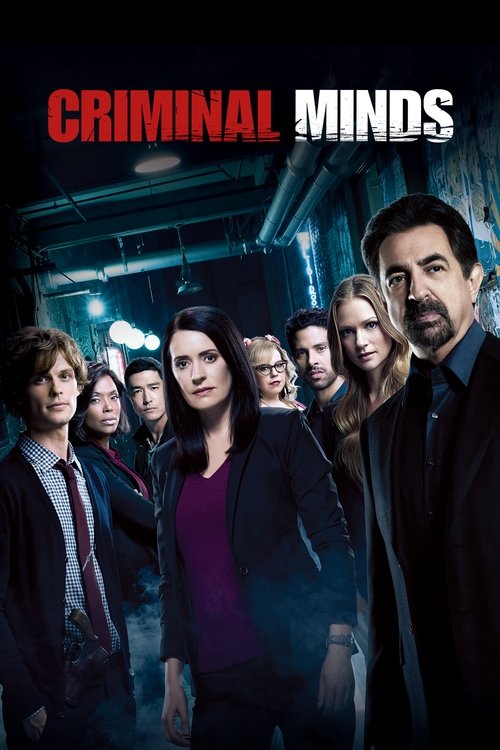
Criminal Minds
Season 13 Analysis
Season Overview
No specific overview for this season.
Season Review
Categorical Breakdown
The BAU team is racially diverse, featuring white, black, Hispanic, and Asian-American agents, but their characterization is based on professional skill and specialized intelligence, not on immutable characteristics or identity-based grievances. The narrative does not dedicate plot lines to lecturing the audience on systemic oppression or white privilege. The team operates under a principle of universal meritocracy where profiling focuses on trauma and psychology regardless of the unsub's background.
The season features a temporary story arc where a corrupt Assistant Director attempts to dismantle the BAU from within, framing a critique of unhelpful bureaucracy within the FBI institution. Other plots explore the opioid epidemic in 'Anytown, America' and financial crimes targeting 'Wall Street elites,' which critiques specific American societal issues and institutions. This represents a mild, targeted civilizational self-critique (systems are flawed) rather than a wholesale demonization of Western heritage or culture.
The Unit is led by a female Unit Chief, Emily Prentiss, who is presented as a highly capable and decisive leader. The female agents (Prentiss, JJ, Garcia, Tara) are all extremely competent, strong, and highly specialized professionals, fitting the 'Girl Boss' trope, especially given the female-dominated leadership structure. However, the male agents are also competent (Reid is the genius, Rossi is the sage, Simmons and Alvez are physical operators), and familial relationships, including motherhood (JJ) and fatherhood (Simmons, Rossi), are present and portrayed positively as a source of emotional depth.
The main cast and their recurring relationships adhere to a normative, cisgender, heterosexual structure. A review of the season notes a lack of recurring LGBTQ+ representation. The narrative does not feature any storylines that center alternative sexualities, deconstruct the nuclear family as oppressive, or engage with gender ideology, placing it firmly in the normative structure category.
The season features a central storyline involving a conspiracy theory group and a 'cult leader' or 'finger-burning cult' who manipulate followers into violence. This follows the long-standing tradition in crime procedurals of profiling and vilifying religious extremism and fanaticism, but it targets a distorted, false faith rather than the moral foundations of mainstream traditional religion or Christianity. The BAU operates on a bedrock of objective morality (murder is wrong) that aligns with a higher moral law.