Criminal Minds
Season 17 Analysis
Season Overview
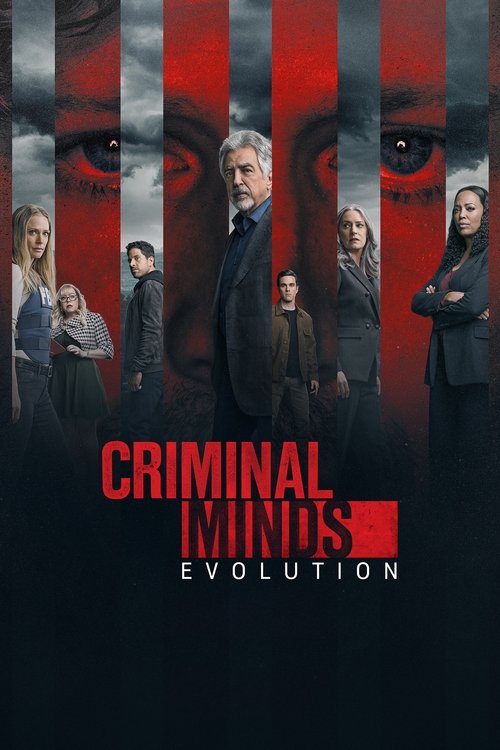
Evolution season 2 picks up as the FBI's elite team of profilers investigates the deadly mystery of Gold Star. As the conspiracy unfolds, the Behavioral Analysis Unit is met with an unexpected complication when serial killer Elias Voit negotiates a deal that transfers him to federal custody in the BAU's own backyard. The team faces its biggest threat yet and cannot emerge unscathed from the mind-bending consequences.
Season Review
Categorical Breakdown
The plot consistently portrays the season's villains as 'conservative stereotypes,' including militia types, patriots, and opponents of the Second Amendment or abortion, framing traditional-value groups as the criminal threat. Social issues such as 'DEI' and 'BLM' are referenced and viewed solely through a 'far-left lens,' replacing character merit and objective psychology with political messaging. The show is frequently described as having devolved into a vehicle for identity politics.
The narrative equates supporting traditional American values or being a 'patriot' with being a potential UnSub or part of a vast, corrupt, systemic conspiracy like the 'Gold Star' program. This pattern establishes hostility toward core American institutions and heritage by demonizing a demographic associated with those values. The villains are repeatedly coded as the opposite of the BAU team's progressive ideology.
The core male leads are either removed (Reid) or functionally emasculated, with an older male character being shown holding hands and crying in his office while being told he does not have to be 'like John Wayne.' The remaining younger male characters are described as 'weak, soft, and forgettable.' Female leads are elevated to the primary 'Girl Boss' archetypes, controlling the team's leadership, tactical decisions, and emotional core, while straight relationships are systematically eliminated (JJ's husband dies, Rossi's wife dies).
The one front-and-center romantic subplot that is not dissolved or in peril is the lesbian relationship between Dr. Tara Lewis and Rebecca, which receives considerable focus, suggesting a deliberate centering of alternative sexuality. The show's overall character dynamics eliminate established heterosexual pairings in favor of personal identity-based storylines, making the inclusion feel less like organic representation and more like a narrative priority.
The exploration of evil largely abandons the idea of objective moral failure for a system of subjective trauma, encapsulated by the philosophy that 'hurt people hurt people,' suggesting all crime is a failure of social systems rather than individual sin. The focus is on a psycho-grooming conspiracy (Stuart House) rather than a transcendent moral law. The villains' association with opposing abortion implicitly links traditional religious-aligned politics with evil, though traditional religion is not the direct target.