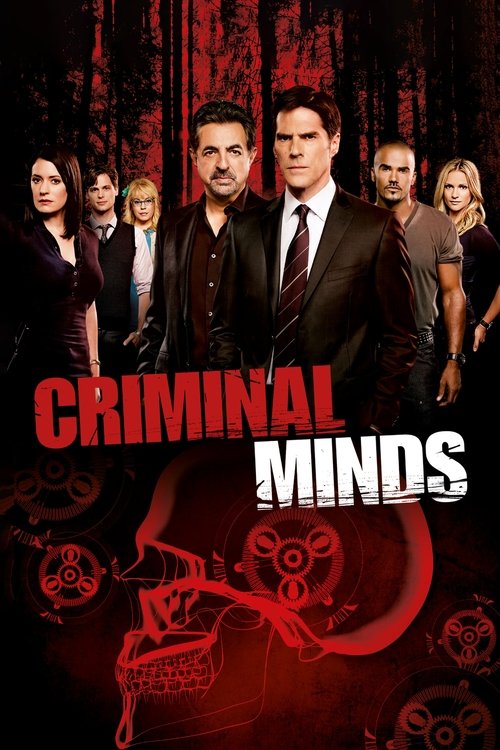
Criminal Minds
Season 7 Analysis
Season Overview
No specific overview for this season.
Season Review
Categorical Breakdown
The narrative is driven by individual merit and professional skill in the BAU team. The casting is diverse but not framed as a political statement; Agent Morgan's competence is central to the plot, and his race is a non-issue in the profiling work. The plot does not rely on race or immutable characteristics to define conflict or character hierarchy. The focus is entirely on a character's ability to profile and catch a killer, adhering to a universal meritocracy.
There is no evidence of hostility toward Western civilization. The institutions depicted, such as the FBI/BAU and the concept of justice, are treated as essential shields against chaos. The Senate hearing at the beginning of the season is a critique of bureaucratic red tape and protocol, not a deconstruction or demonization of the nation or its heritage. Ancestors are not a factor, and other cultures are only referenced in the context of international criminal cases.
Female characters (Prentiss, JJ, Garcia) are highly competent, intelligent, and integral to the team's success, which challenges the 'damsel' trope. However, this competence is shown alongside their emotional depth and personal lives. Jennifer Jareau's storyline culminates in a wedding, which celebrates a traditional family milestone without framing motherhood or marriage as a 'prison.' The male leads are depicted as equally competent and strong, preventing the 'Girl Boss' trope from reaching an extreme where males are entirely emasculated or shown as bumbling idiots. The score is low because the gender dynamics are complementary, prioritizing skill over gender-based perfection.
The season is set in 2011-2012, before the saturation of gender ideology in media. The plot contains no central themes about sexual identity, 'queer theory,' or lecturing on biological reality. The nuclear family unit is shown as a standard structure in the personal lives of the main characters (JJ, Hotch, Rossi), and its deconstruction is not a narrative goal. Sexuality remains a private matter for the characters and is only a thematic element when relevant to a specific criminal's pathology.
Religion is not a major focus, but when it appears, it is treated neutrally or even positively. For example, Agent Rossi's background and belief in 'redemption' is tied to his character's morality and Italian Catholic upbringing. The primary source of evil in the show is psychological pathology and trauma, not traditional religion. Christian characters are not consistently depicted as villains or bigots; the morality of the BAU team is based on an objective higher moral law: the protection of the innocent and the apprehension of the guilty.