Prison Break
Season 2 Analysis
Season Overview
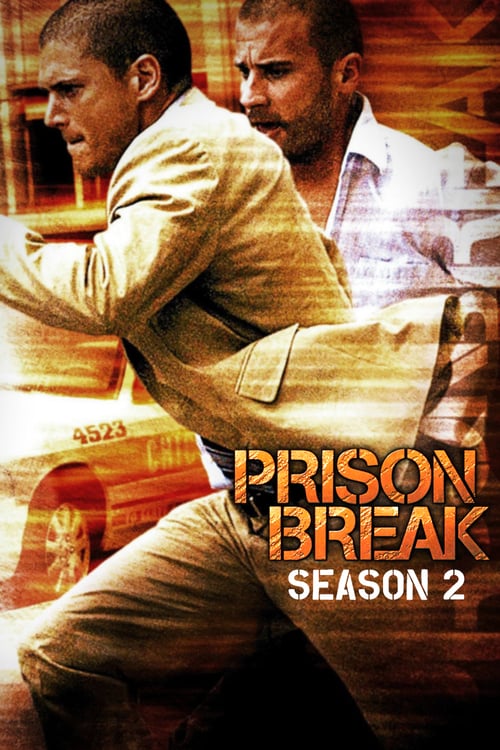
In season two, Michael, Lincoln and six other inmates, including pickpocket Tweener and the mentally unstable Haywire, have ultimately escaped from Fox River. Once outside the prison walls, however, the escape truly begins as the convicts race for their lives while trying to avoid capture by the authorities. The pursuers are led by FBI agent Alexander Mahone, who is haunted by his own demons; vengeful prison guard Captain Brad Bellick, who, driven by his own personal vendetta, will also stop at nothing until the escapees are captured or killed; and Secret Service Agent Paul Kellerman, who, under President Reynolds' orders, will do anything to keep the truth about the conspiracy very much a secret.
Season Review
Categorical Breakdown
Characters are judged almost exclusively on their capacity for loyalty, intelligence, and ruthlessness in the pursuit of their personal goals. The 'Fox River Eight' consists of a racially diverse group of criminals, but their arcs focus entirely on money, family, and freedom, not on their immutable characteristics or systemic oppression outside of the main conspiracy. The chief antagonists, Agent Mahone and the secret agents of 'The Company,' are white males, but their evil is rooted in personal corruption, past crimes, and complicity in the global conspiracy, not the vilification of their race.
The narrative's central conspiracy portrays the US government, from the President down to the Secret Service, as deeply corrupted and ruthless. This represents a strong cynicism toward state institutions and the ruling class. However, the foundational motivation of the main characters is the defense of family and the pursuit of objective justice, which serves as a traditional anchor. The show critiques the corruption of American institutions rather than attacking Western civilization or heritage at a fundamental cultural level.
Gender roles lean heavily toward the traditional, with men serving as the primary figures of action and protection. C-Note's entire storyline is motivated by saving his sick daughter and wife. Sucre’s quest is driven by his devotion to his girlfriend. Dr. Sara Tancredi is a key female figure who demonstrates resourcefulness and resolve, but her arc remains intertwined with Michael’s protection and her vulnerability is a source of plot tension. The most powerful female character, President Reynolds, is a ruthless and corrupt villain, undermining any 'Girl Boss' trope by making female power a locus of evil.
The core plot contains virtually no material centered on alternative sexualities or gender ideology. The character of T-Bag, a convicted homosexual predator from Season 1, spends his time on the run trying to force a traditional, heterosexual domestic life with his former girlfriend and her children. His sexuality is a dark, private aspect of his criminal past, not a public or political theme, and the nuclear family is not deconstructed as a concept.
The show is a secular action thriller that prioritizes political conspiracy and moral grayness over religious conflict. Faith is neither celebrated nor attacked. Morality is transcendent in the sense that the protagonists are actively seeking objective truth and justice for Lincoln's wrongful conviction, which is a clear good in the narrative's universe. The show is absent of religious messaging, not hostile to it, operating in a purely procedural and dramatic sphere.