Supernatural
Season 1 Analysis
Season Overview
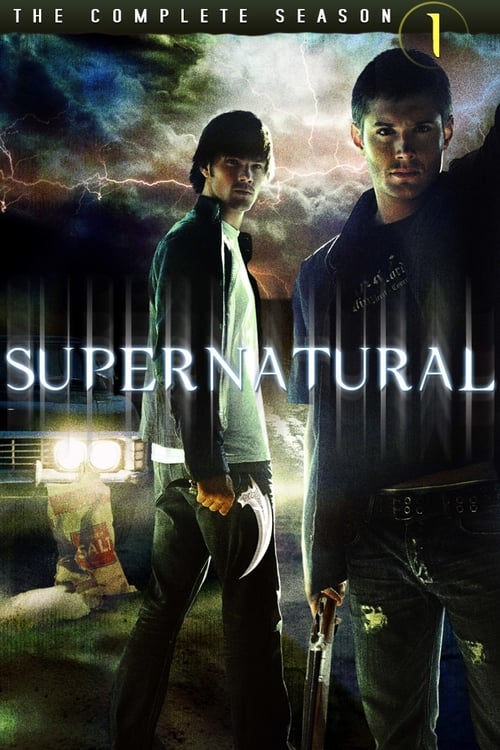
The Creepy. The Demented. The Unexplained. The Unearthly. Sam Winchester grew up hunting such terrifying things. But that’s all past. Law school beckons him. So does safety and normalcy. That is, until Sam’s estranged brother Dean appears with troubling news: their father has disappeared, a man who’s hunted evil for 22 years. So to find their father, the brothers must hunt what their father hunts…and Sam must return to the life he’d rather leave behind.
Season Review
Categorical Breakdown
The core cast and nearly all major characters are white males. The show does not feature lectures on privilege or systemic oppression. Diversity is minimal, with no race-swapping or vilification of whiteness, as the white male heroes are the protagonists actively dedicated to saving innocent people. Characters are defined by their personal choices and family legacy, which aligns with universal meritocracy.
The central mission is the defense of local communities and citizens across America from supernatural monsters rooted in American folklore. The narrative frames the country as a home that needs to be protected from chaos. There is no depiction of Western civilization or the national heritage as fundamentally corrupt or racist. Institutions like family (albeit a broken one) and the road trip shield against the forces of chaos.
The female characters in the first season, including the mother Mary and Sam's girlfriend Jessica, exist primarily as victims whose violent deaths motivate the male heroes, which is the opposite of the 'Girl Boss' trope. The male leads, Sam and Dean, are depicted as highly competent and capable, not as bumbling or toxic. The narrative prioritizes the male brotherly bond over lasting female relationships. Masculinity is protective and vital for survival in this dangerous world.
The focus of the narrative is entirely on the two brothers and their family quest. Sexual identity is not a central theme or plot point. The main relationships referenced are traditional male-female pairings. The show adheres to a normative structure without the inclusion of gender ideology or the deconstruction of the nuclear family.
The season operates with a basis of objective, transcendent morality where demons and monsters are unambiguously evil. The hunters utilize traditional Christian tools such as exorcisms and holy water to fight this evil. While one episode portrays a religious hypocrite as a villain, this is a critique of false piety, not traditional religion itself being the root of all evil. Faith, for one of the main characters, is depicted as a private source of strength.