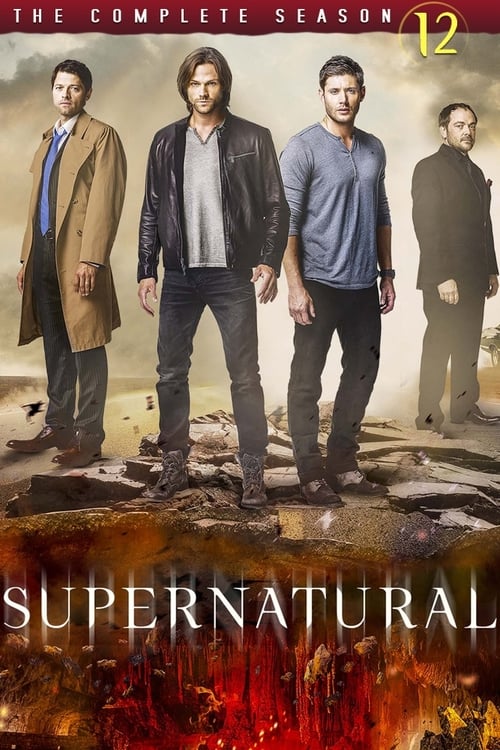
Supernatural
Season 12 Analysis
Season Overview
In the show's eleventh season, the Winchesters found themselves battling an apocalyptic force: the Darkness. Now, rallying help from their allies - both human and supernatural - Sam and Dean are about to go toe-to-toe with the most destructive enemy they've ever seen. The question is, will they win? And at what price?
Season Review
Categorical Breakdown
The central conflict is between the American hunters and the British Men of Letters, an ideological struggle over hunting methods and morality, not race or intersectional hierarchy. The primary characters involved in this debate are all judged by their actions and methods, adhering to a system of moral meritocracy. Lady Toni Bevell and Dr. Hess serve as ruthless, competent female antagonists whose villainy is driven by their adherence to an authoritarian code, not by their gender being used to vilify men.
The series frames the structured, ancestral heritage of the British Men of Letters organization as fundamentally corrupt, arrogant, and evil. Their 'Code' demands the murder of a member's best friend and institutionalizes an amoral, kill-them-all approach that stands in direct opposition to the protagonists' American-style, anti-authoritarian, and family-first methodology. This critiques and demonizes a specific Western civilizational institution and its traditional code of conduct.
The core arc of Mary Winchester actively champions a self-fulfillment and career-over-motherhood message. Mary prioritizes her personal 'reorientation' and independent hunting life, abandoning her adult sons to pursue her own purpose. She directly argues against Dean's desire for her to 'just be a mom,' asserting she is 'not just a mom.' She also engages in a casual sexual encounter with a villainous character, which is treated as a meaningless act of independence. This narrative promotes a strong anti-natalist and 'Girl Boss' prioritization of self-centered purpose over traditional maternal roles.
The main narrative avoids focusing on sexual identity or alternative sexualities. The season centers on the traditional male-female relationship of Lucifer and his pregnant human vessel, Kelly Kline. The show does not feature any lecturing on gender theory or the deconstruction of the nuclear family beyond the purposeful rejection of the maternal role in the Mary Winchester plotline.
Angels are consistently portrayed as arrogant, corrupt enforcers of a cruel, flawed celestial legal system. A specific angel is depicted as a bigoted villain who expresses profound contempt for humanity, calling them 'filthy animals' for the crime of love. This reinforces the long-running theme that all organized spiritual hierarchy (God, Heaven, angels) is judgmental and corrupt, positioning the emotional morality and free will of humans as a superior, objective truth.