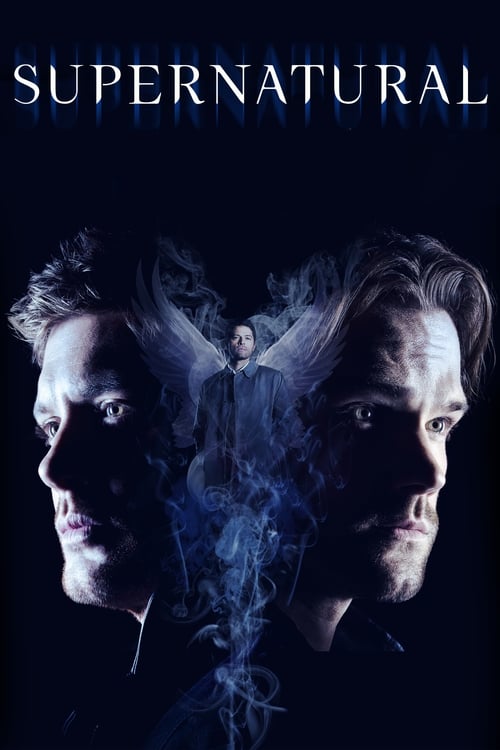
Supernatural
Season 14 Analysis
Season Overview
The season follows Sam and Dean who, along with Jack and Castiel, try to take down the archangel Michael from another world, and learn something bigger is at hand.
Season Review
Categorical Breakdown
Characters are consistently judged by their competence and moral choices, not by their immutable characteristics. Sam takes on a leadership role over a diverse group of Apocalypse World survivors based on his merit and experience. The narrative's core conflict focuses entirely on spiritual and familial bonds, avoiding contemporary political or racial commentary.
The 300th episode, "Lebanon," is a celebratory and heartfelt reunion with the Winchester patriarch, John, offering closure and affirming the core 'family' institution. The primary setting, the Men of Letters bunker, is consistently portrayed as a valued home and a sanctuary of Western occult knowledge used to defend the world against chaos.
The main focus is the male lead duo, but female characters like the witch Rowena and Mary Winchester play important, powerful roles that are central to key plotlines without being romantic interests. These women are strong and competent but are not written as instantly perfect figures, operating in complement to the male leads' efforts without emasculating them.
The intense emotional bond between Dean and Castiel is a driving force of the season's emotional arc, maintaining a long-standing, non-explicit subtext that is central to fan engagement. One episode explores a scenario where a main character's internal conflict is framed metaphorically in relation to an encounter with a queer character, allowing for an interpretation that the narrative is exploring an underlying 'queer theory' dynamic concerning masculinity and self-acceptance.
The season ends with the reveal that the Judeo-Christian God is a self-centered, manipulative, and abusive entity who deliberately engineers the Winchesters' suffering for his own amusement and narrative satisfaction. The primary heroes are forced to turn against the Creator, establishing the ultimate religious authority figure as the source of all evil and moral decay.