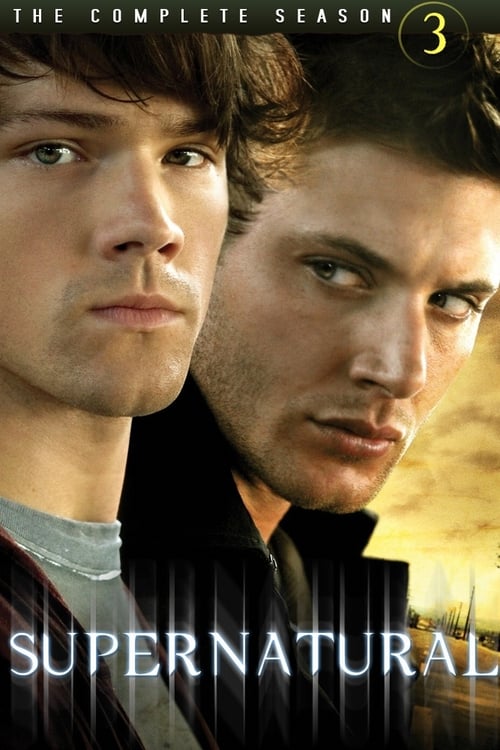
Supernatural
Season 3 Analysis
Season Overview
The yellow-eyed demon is vanquished, but at a terrible price. The battle that brought him down released hundreds of demons from Hell into an unsuspecting world. And it cost Sam his life. But a grief-stricken Dean made a deal with the Crossroad Demon: his soul for Sam's resurrection. Now Dean has just one year to live. One year to fight the unholy, the twisted, the ghoulish. One year to say farewell to Sam. And one year for Sam to search desperately for some way to save his brother. Mind-bending adventure awaits as the Winchester brothers continue their astonishing odyssey into the supernatural...and their personal odyssey into destiny.
Season Review
Categorical Breakdown
The narrative is entirely focused on the personal merit, skill, and choices of the two main characters, who are white males. Race and immutable characteristics play no role in the characters’ success, failure, or moral standing. There is no presence of lecturing on systemic oppression or vilification of 'whiteness.'
The central conflict revolves around Dean's self-sacrificial devotion to his brother, which is a powerful affirmation of the nuclear family bond, not civilizational self-hatred. The institutions of the 'hunter family' (Sam, Dean, Bobby Singer) and their inherited 'family business' are viewed as a necessary defense against global chaos. Dean does briefly confront the flaws of his father, but this serves his individual character growth, not a wholesale indictment of a larger culture or ancestry.
Female characters introduced, such as the demon Ruby and the thief Bela Talbot, are competent but are morally compromised, manipulative, or driven by selfish motivations. The show's environment contains traditional male-focused, often juvenile, banter and humor that is now critiqued as sexist. The plot does not feature 'Girl Boss' tropes, the emasculation of the male leads, or anti-natalism; instead, it centers on the protective, self-sacrificial masculinity of the hero.
Sexual identity is not centered as an important trait, and the standard pairing remains male-female. The presence of 'macho' character dialogue and isolated jokes that contain homophobic humor places the season outside of the 'Queer Theory Lens' framework. The narrative maintains a normative structure with no exploration or promotion of gender ideology.
The core plot is a moral fable about selling one's soul to a literal demon and the consequences of the deal. This structure relies on the existence of an objective, transcendent moral law tied directly to the Abrahamic religious cosmology of Heaven and Hell, where demons are the root of objective evil. Faith and personal sacrifice are a clear source of strength for the main characters.