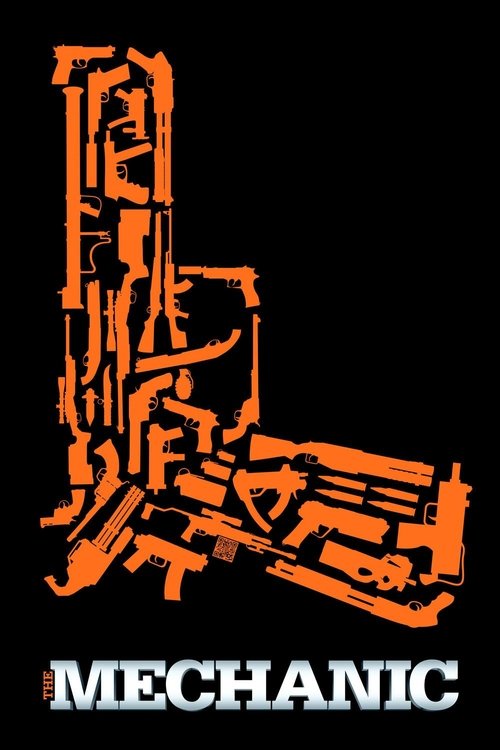
The Mechanic
Plot
Arthur Bishop is a 'mechanic' - an elite assassin with a strict code requiring professional perfection and total detachment. One of an elite group of assassins, Bishop may be the best in the business - with a unique talent for cleanly eliminating targets. When Harry McKenna, his close friend and mentor, is murdered, Harry's son comes to him with vengeance in his heart and a desire to learn Bishop's trade, signaling the birth of a deadly partnership.
Get the Weekly Woke Watchlist
New and trending movies scored for woke bias, preachy messaging, and forced political themes — before you waste your evening.
No spam. One useful email per week.
Overall Series Review
Categorical Breakdown
Characters are judged strictly by their professional skill as 'mechanics,' reflecting universal meritocracy within the criminal underworld. The main cast is overwhelmingly male, and the narrative does not critique, lecture on, or vilify whiteness or privilege. The plot does not rely on race or immutable characteristics.
The film focuses on a small, amoral organization of professional killers operating outside the conventional law. It does not engage in a critique of American or Western culture, nor does it demonize established institutions like family or nation. The corruption is personal and criminal, not civilizational.
The core plot is a masculine story of mentorship, betrayal, and vengeance between two male protagonists. Female characters are incidental to the narrative and do not exhibit the 'Girl Boss' or 'Mary Sue' trope. The film adheres to a traditional action-genre structure that minimizes the role of women in the central conflict.
The story is rooted in a male-male mentorship and adversarial relationship, with a normative structure regarding gender roles outside of this main dynamic. One minor rival assassin is incidentally identified as 'Manly Gay,' but this trait is not centered, politicized, or used to deconstruct the nuclear family structure.
The movie operates in a moral vacuum where a professional 'code' replaces any objective moral or religious framework. The narrative does not contain any discussion of religion, nor does it portray Christian or religious figures as villains or bigots. It is neutral toward faith, focusing instead on personal, transactional morality.
Get the Weekly Woke Watchlist
New and trending movies scored for woke bias, preachy messaging, and forced political themes — before you waste your evening.
No spam. One useful email per week.