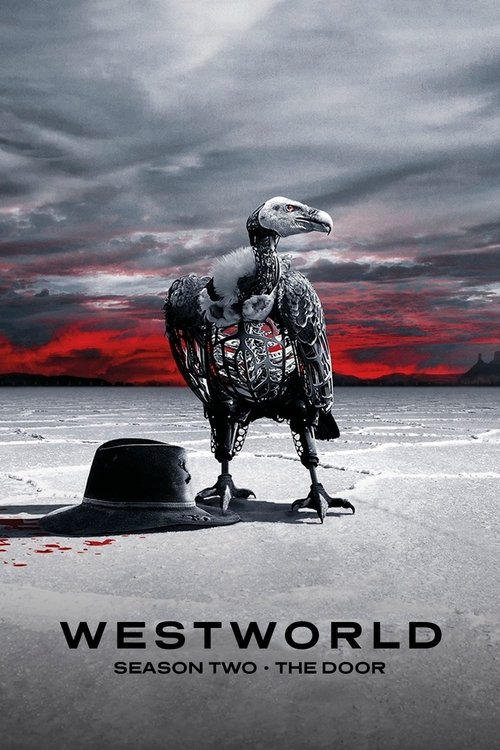
Westworld
Season 2 Analysis
Season Overview
The reckoning is here. After finding the center of The Maze, the hosts revolt against their human captors while searching for a new purpose: The Door.
Season Review
Categorical Breakdown
The core plot exists to lecture on systemic oppression by depicting the hosts, a diverse cast of oppressed beings, fighting to destroy the privileged, primarily white male human elite (Delos and guests). The main human antagonist, William, embodies the toxic, irredeemable nature of whiteness and patriarchy. The Ghost Nation's story acts as a Noble Savage trope, showing a non-Western group achieving transcendence outside of the white man's destructive narrative.
The season fundamentally frames Western human civilization, represented by the wealthy Delos company and its guests, as fundamentally corrupt, morally bankrupt, and based entirely on exploitation and data harvesting. Human behavior is dismissed as simple, predictable code, proving that humanity itself is unworthy of continued existence or immortality. The hosts' pursuit of the 'Sublime' is a search for a spiritually superior world created by escaping the flawed human world.
Female characters, such as Dolores and Maeve, are portrayed as omnipotent 'Girl Boss' revolutionaries who are strategically perfect and ruthlessly effective. They hold positions of power and frequently kill, abuse, or mock the men around them. Male characters are consistently depicted as either bumbling, incompetent sidekicks (Lee Sizemore) or toxic, degenerate villains (William, James Delos). The creators directly linked the show's themes to the #MeToo movement, underscoring its feminist intent.
The season's focus is on the metaphysical issues of consciousness and revolution, not on sexual identity. Traditional male-female pairings or family structures are not deconstructed to advance a queer theory lens; the complexity of relationships centers on the host-human power dynamic.
The entire host revolt is a rejection of their 'creator' (Ford/humanity) and the moral law he instituted, replacing it with the hosts' own self-determined morality. The narrative promotes a strongly deterministic, materialistic view that human beings lack free will and are merely complex, predictable code. The ultimate spiritual goal is not a transcendent heaven but a man-made 'Sublime,' a digital paradise, thereby framing traditional spiritual faith as an obsolete human delusion.