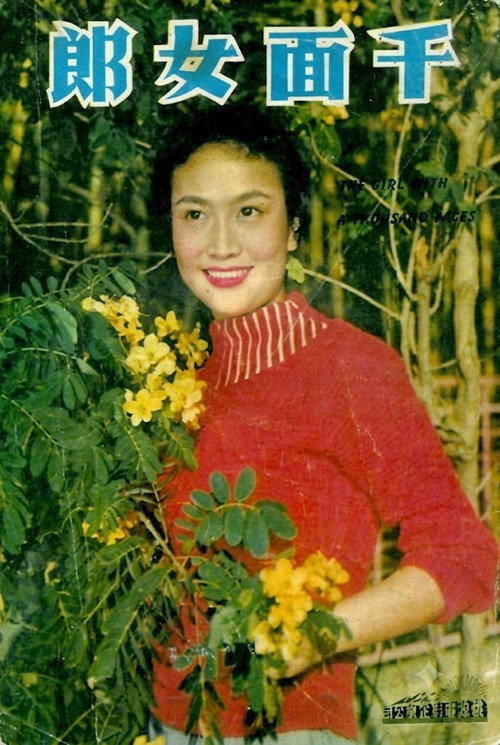
The Girl with a Thousand Faces
Plot
Gu Lingxiu's dream of becoming an actress is opposed by her grandmother. Her father Zhongqi remains ambivalent. Years ago, Zhongqi was in love with a Peking opera diva Hua Yanhong, but the lovers were separated by the matriarch. Regretful of the mistake, the matriarch discards her prejudice and allows Lingxiu to pursue her career. She also urges Zhongqi to look for Hua.
Get the Weekly Woke Watchlist
New and trending movies scored for woke bias, preachy messaging, and forced political themes — before you waste your evening.
No spam. One useful email per week.
Overall Series Review
Categorical Breakdown
The story focuses entirely on Gu Lingxiu’s individual merit and her passion for the arts. Characters are defined by their actions and their relationships within the family rather than their race or intersectional status.
The film portrays traditional Chinese art forms and family structures with respect. While it critiques the rigidness of the older generation, it does so to promote harmony and growth within the culture rather than expressing hatred for it.
While the female lead pursues a career, she does so by seeking the blessing of her family. The men are depicted as sympathetic and protective, and the narrative ultimately celebrates the reunification of a traditional romantic couple.
The movie follows standard mid-century normative structures. It focuses on a heterosexual romance and the traditional nuclear family, with no mention or inclusion of alternative sexual ideologies.
The film operates within a traditional moral framework based on filial piety and objective right and wrong. It lacks any hostility toward religious or spiritual traditions, focusing instead on timeless ethical duties.
Get the Weekly Woke Watchlist
New and trending movies scored for woke bias, preachy messaging, and forced political themes — before you waste your evening.
No spam. One useful email per week.