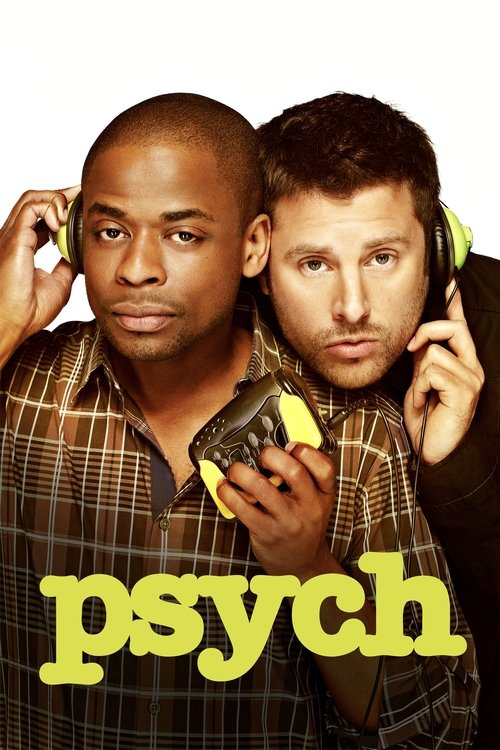
Psych
Season 7 Analysis
Season Overview
No specific overview for this season.
Season Review
Categorical Breakdown
The narrative prioritizes the individual merit and unique quirks of its leads. Race is used as a source of lighthearted, observational humor between friends rather than a framework for discussing systemic oppression or privilege.
The series shows a deep appreciation for American pop culture, particularly the 1980s. Local institutions like the police department and the city of Santa Barbara are framed as positive communities worth protecting.
Female characters are competent and hold positions of authority, such as Chief Vick and Juliet O'Hara. However, their success does not come at the expense of the male characters, and the season highlights the value of traditional marriage through Lassiter's wedding.
The show focuses almost exclusively on traditional romantic pairings. There is no insertion of gender theory or the deconstruction of the nuclear family within the season's primary arcs.
While the show is primarily secular, it avoids hostility toward religious belief. Moral truths are treated as objective, and the show lacks the cynical relativism often found in contemporary scripts.