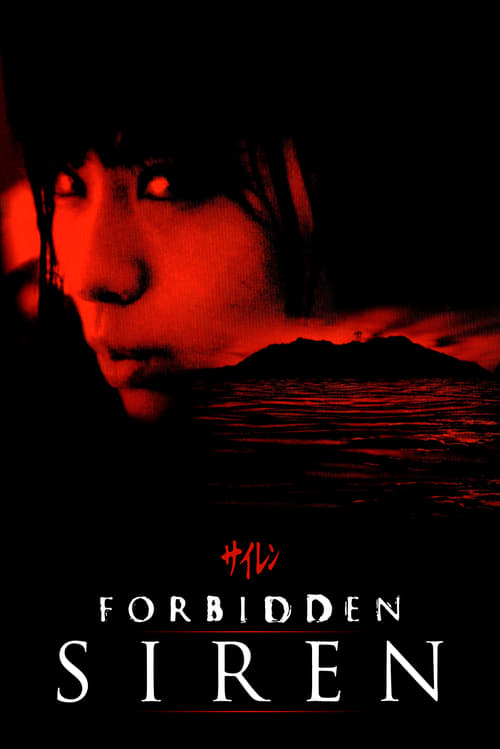
Forbidden Siren
Plot
A writer moves to a remote island with his daughter and young son. After settling into their new home, a neighbor arrives to welcome them and give them a breakdown of the local rules; most important: do not go outside when the island's siren starts wailing.
Get the Weekly Woke Watchlist
New and trending movies scored for woke bias, preachy messaging, and forced political themes — before you waste your evening.
No spam. One useful email per week.
Overall Series Review
Categorical Breakdown
The movie is a Japanese production featuring an entirely Japanese cast and setting. Race and immutable characteristics are not a factor in the narrative. The central conflict is between a modern city family and a cursed, isolated local community, relying on classic horror tropes of the outsider versus the insular village, not an intersectional hierarchy.
The film focuses its critique on a specific, ancient, and deeply corrupt local island culture and its cannibalistic, life-extending ritual (eating the mermaid). The local heritage is depicted as fundamentally evil and the source of the curse and chaos. This is a deconstruction of a specific, local, traditional community, which slightly registers on the scale of civilizational self-hatred, but it is a localized, fictional horror trope rather than a broad, universal attack on a major civilization or ancestor class.
The core hero is the teenage daughter, Yuki, who is significantly more perceptive and active than her widower father, who is one of the first to be compromised by the island's curse. The father figure becomes an antagonist 'Shibito' while the daughter leads the investigation and efforts to protect her younger brother. This leans toward the competent female lead and incompetent male trope, but the female action is purely protective and driven by family survival, not anti-natalist messaging or careerism.
The narrative centers on a traditional, though broken (widower father with his children), nuclear family structure as the unit under attack. There is no presence of alternative sexualities, gender ideology, or deconstruction of the nuclear family. Sexuality is entirely private and not a thematic concern.
The source of the evil is a supernatural curse resulting from a folk legend and a horrific ancient ritual (consuming a mermaid for immortality). This critique is directed at a localized, dark superstition/occult practice specific to the island, not at an organized, traditional religion like Christianity. It features a spiritual vacuum filled by a pagan-style curse rather than hostility towards a transcendent moral law.
Get the Weekly Woke Watchlist
New and trending movies scored for woke bias, preachy messaging, and forced political themes — before you waste your evening.
No spam. One useful email per week.