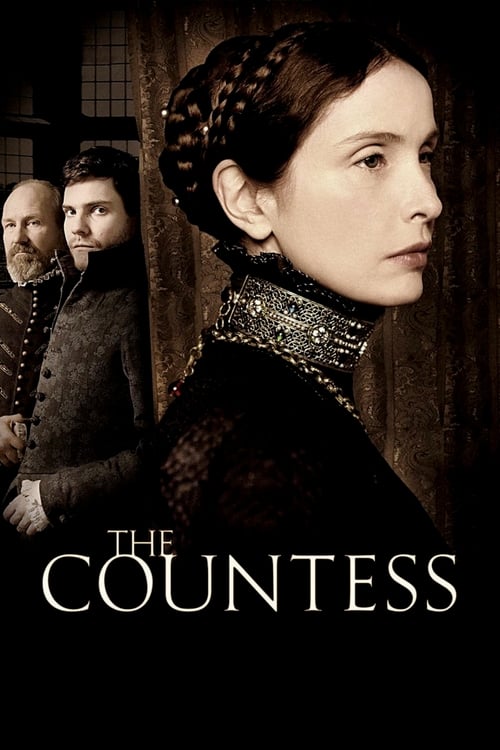
The Countess
Plot
Kingdom of Hungary, 17th century. As she gets older, powerful Countess Erzsébet Báthory (1560-1614), blinded by the passion that she feels for a younger man, succumbs to the mad delusion that blood will keep her young and beautiful forever.
Get the Weekly Woke Watchlist
New and trending movies scored for woke bias, preachy messaging, and forced political themes — before you waste your evening.
No spam. One useful email per week.
Overall Series Review
Categorical Breakdown
The narrative structure focuses entirely on the power dynamics of the 17th-century Hungarian nobility, centering on class, age, and gender inequality. The central conflict involves a powerful white noblewoman's cruelty towards her white peasant staff and other aristocratic girls. Race and modern intersectional themes are absent.
The film critiques the feudal system and the inherent cruelty and political opportunism of the ruling Hungarian aristocracy, such as Báthory's parents and Count Thurzó. It is a criticism of a corrupt power structure within the culture, not a wholesale demonization of all Western or Hungarian civilization, and it does not elevate an outside culture as spiritually superior.
The movie includes an explicit feminist slant early on, featuring dialogue that highlights the societal limitations and inequality faced by women, positioning Báthory as a strong, competent estate manager. However, her transformation into a monstrous serial killer is ultimately triggered by vanity and heartbreak over a younger man, which undercuts the 'Girl Boss' figure by hinging her downfall on a relationship failure.
A minor romantic/sexual subplot exists between the Countess and her female advisor, Darvulia, including a kiss and sharing a bed, which suggests queer content. This element is peripheral and does not form the core plot or central ideological theme of the film, which primarily focuses on her tragic heterosexual obsession.
The Countess's evil is rooted in personal psychopathology, obsession with beauty, and unchecked power. There is no narrative framing that positions traditional religion (specifically the Calvinist Protestantism she was raised in) as the root of societal evil or that champions moral relativism over an objective moral law.
Get the Weekly Woke Watchlist
New and trending movies scored for woke bias, preachy messaging, and forced political themes — before you waste your evening.
No spam. One useful email per week.