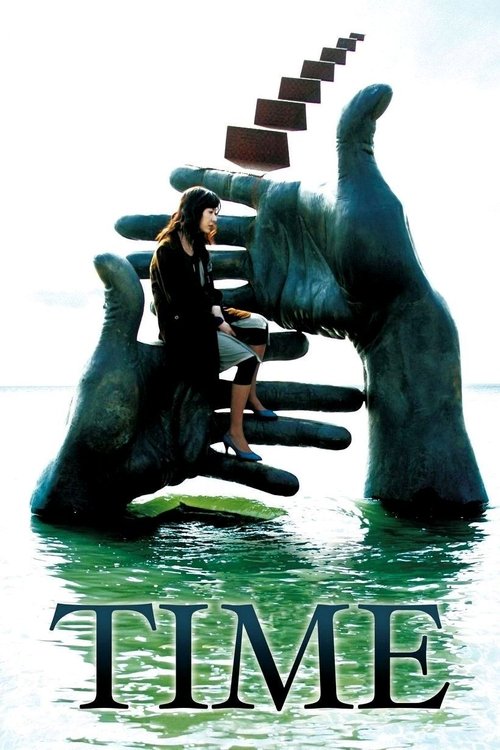
Time
Plot
Consumed by jealousy, a woman takes an extreme step and undergoes surgery for a new face. Although her lover of 2 years misses her, he falls in love with the new face, not knowing it's the same woman.
Get the Weekly Woke Watchlist
New and trending movies scored for woke bias, preachy messaging, and forced political themes — before you waste your evening.
No spam. One useful email per week.
Overall Series Review
Categorical Breakdown
The film does not address race, intersectional hierarchy, or the vilification of any specific group. Its core conflict is based on universal human insecurity about physical appearance (lookism) and personal identity. Characters are judged solely by their individual actions, jealousy, and despair, reflecting a story focused on character judgment over identity politics.
Hostility is directed at a contemporary social issue—the cultural obsession with plastic surgery and superficiality—not at the civilization or heritage as fundamentally corrupt. The setting is modern and South Korean, and the narrative does not employ the 'Noble Savage' trope or demonize ancestors, instead focusing on the interpersonal tragedy of modern life.
The female lead's extreme actions are driven by paranoia and insecurity about losing her man, not a desire for career fulfillment over family. She is deeply flawed, emotionally irrational, and self-destructive, which prevents her from fitting the 'Mary Sue' or 'Girl Boss' trope. The male lead is shown to have his own faults (a roving eye), but the man is not unilaterally portrayed as an incompetent or toxic male figure.
The narrative centers entirely on the intense, troubled relationship between a man and a woman. There is no presence of alternative sexualities, deconstruction of the nuclear family, or explicit commentary on gender ideology. The structure remains firmly within the realm of normative male-female pairing.
The core themes are psychological, involving love, identity, and the destructive nature of obsession. The story is devoid of any religious characters, conflicts, or overt spiritual commentary. Faith, morality, and objective truth are neither a source of strength nor a subject of vilification; the moral drama is entirely secular and character-driven.
Get the Weekly Woke Watchlist
New and trending movies scored for woke bias, preachy messaging, and forced political themes — before you waste your evening.
No spam. One useful email per week.