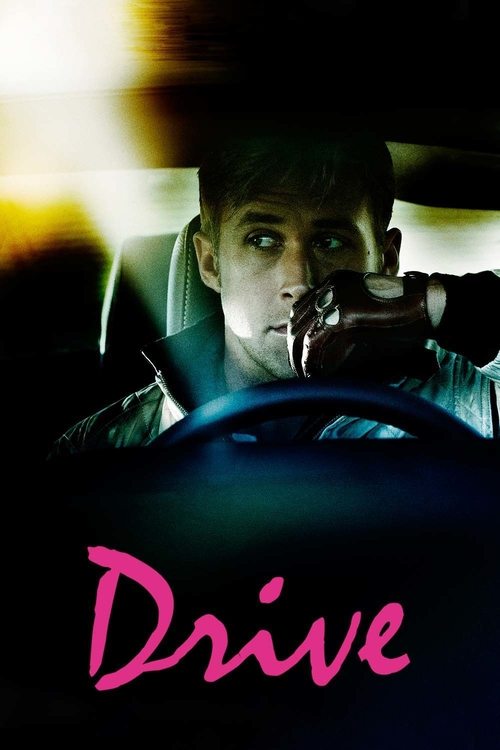
Drive
Plot
Driver is a skilled Hollywood stuntman who moonlights as a getaway driver for criminals. Though he projects an icy exterior, lately he's been warming up to a pretty neighbor named Irene and her young son, Benicio. When Irene's husband gets out of jail, he enlists Driver's help in a million-dollar heist. The job goes horribly wrong, and Driver must risk his life to protect Irene and Benicio from the vengeful masterminds behind the robbery.
Get the Weekly Woke Watchlist
New and trending movies scored for woke bias, preachy messaging, and forced political themes — before you waste your evening.
No spam. One useful email per week.
Overall Series Review
Categorical Breakdown
Characters are judged by their actions, morality, and professional competence, not by their race or immutable characteristics. The narrative is centered on an archetypal, stoic white male hero's journey toward redemption. The film's primary conflict is a moral struggle of good versus evil. Casting choices for major characters do not appear dictated by a diversity quota; the character of Irene was changed from a Hispanic woman in the novel to a white woman in the film.
The film presents a dark, cynical view of the Los Angeles crime world and the disillusionment of the Hollywood industry. This critique is a conventional element of the neo-noir genre. The hero's primary drive is to protect the core familial unit of Irene and her son, depicting institutions like family as an object of defense against chaos and corruption. The film does not contain lectures or deconstruct Western heritage, focusing instead on universal existential themes.
Gender roles are highly traditional. Irene is portrayed as a loving mother and a figure of innocence to be protected, representing stability and family life. The Driver's character arc is defined by his protective masculinity, sacrificing his own safety and future to ensure the survival of the woman and her child. Female characters are not 'Girl Boss' tropes; they are damsels in distress or minor figures connected to the crime world.
The narrative's central romance is a traditional male-female pairing. The nuclear family, though currently fractured by the husband’s imprisonment, is the emotional core the hero is fighting to preserve. There is no inclusion or centering of alternative sexualities, sexual identity, or gender ideology lecturing.
The core thematic content is a highly moral struggle concerning the duality of good and evil, loyalty, and redemption, which reflects an interest in a higher moral law or objective truth. The hero sacrifices himself for the innocent, which is an ultimate moral act. Traditional religion is neither overtly present nor hostilely targeted; the villainy stems from individual greed and criminal enterprise.
Get the Weekly Woke Watchlist
New and trending movies scored for woke bias, preachy messaging, and forced political themes — before you waste your evening.
No spam. One useful email per week.