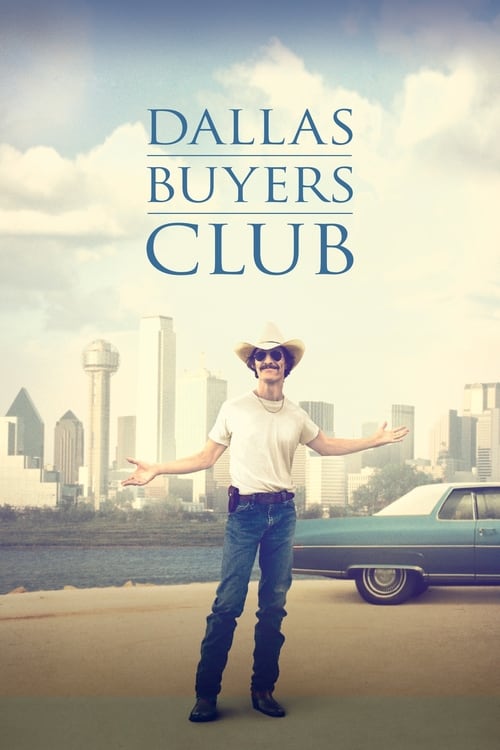
Dallas Buyers Club
Plot
Loosely based on the true-life tale of Ron Woodroof, a drug-taking, women-loving, homophobic man who in 1986 was diagnosed with HIV/AIDS and given thirty days to live.
Get the Weekly Woke Watchlist
New and trending movies scored for woke bias, preachy messaging, and forced political themes — before you waste your evening.
No spam. One useful email per week.
Overall Series Review
Categorical Breakdown
The white male protagonist, Ron Woodroof, is initially depicted as deeply prejudiced. His story is one of profound moral transformation, where his character is judged by the content of his soul and his eventual merit as an activist, not by his race or immutable characteristics. The narrative critiques his homophobia but does not vilify him simply for being a white male, focusing instead on his redemption and fight against the system.
The critique is aimed at specific failures within American institutions: the overreach of the FDA bureaucracy and the greed of pharmaceutical companies. Ron's maverick individualism, fighting against the tide for personal liberty and the right to try, aligns with a core American ideal. The Western home culture is not framed as fundamentally corrupt; instead, the narrative champions the individual spirit against institutional corruption.
The main female character, Dr. Eve Saks, is a competent, educated, and morally conscious professional who struggles with the ethical dilemma of working within a flawed system. She is not portrayed as a 'Girl Boss' who is instantly perfect. The narrative does not feature the emasculation of male characters, nor does it contain anti-family or anti-natalist messaging.
Sexual identity is highly important to the narrative, as the entire plot centers on the AIDS crisis and the stigma that surrounded the gay and trans community in the 1980s. A primary supporting character, Rayon, is a fictional transgender woman whose identity and struggle are central to the story and directly drive the protagonist's moral awakening. This places alternative sexual and gender identities at the core of the film's thematic material.
The core conflict is secular, pitting the individual against government overreach and corporate power. The film champions the objective moral good of saving human life against man-made legalism. Faith is not a source of conflict, and traditional religion is neither demonized nor used as a source of strength in the narrative. The focus is on a secular objective moral truth.
Get the Weekly Woke Watchlist
New and trending movies scored for woke bias, preachy messaging, and forced political themes — before you waste your evening.
No spam. One useful email per week.