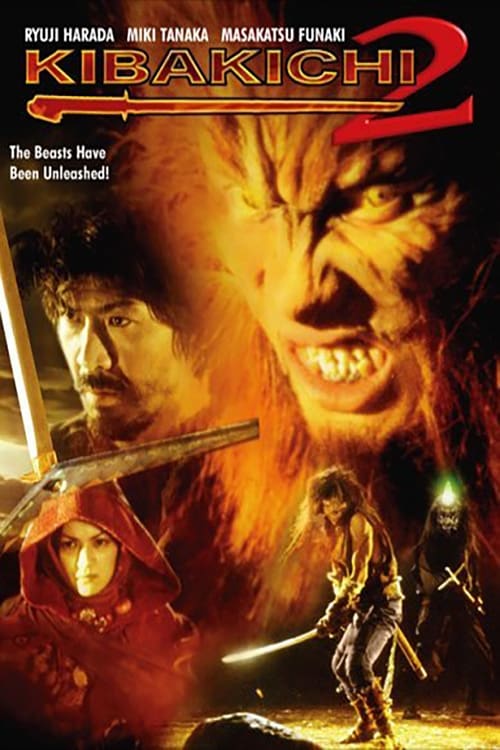
Kibakichi 2
Plot
The saga of Kibakichi the samurai werewolf continues as his travels find him helping a blind girl and her small village seek revenge on a murdering madman. But, unknown to Kibakichi, he is being spied on by a strange group of people—and someone from his past, who is out for revenge!
Get the Weekly Woke Watchlist
New and trending movies scored for woke bias, preachy messaging, and forced political themes — before you waste your evening.
No spam. One useful email per week.
Overall Series Review
Categorical Breakdown
The plot is built around a persecuted identity, as Kibakichi and his kind are 'despised yokai monsters' who have been nearly exterminated by humans for their difference. This establishes an identity-based hierarchy and oppression as the main conflict. However, this is a non-Western-centric fantasy trope of 'species persecution' rather than a lecture on race or whiteness.
The narrative explicitly frames the human civilization and its government as corrupt and hostile, having forgotten tolerance and using technology to wipe out the yokai, who were once 'equal citizens.' This promotes a 'Noble Savage' trope, depicting the 'Other' (the yokai) as morally victimized and in some ways spiritually superior to the dominant human society, suggesting a hostility toward the 'home' human culture.
The film features two prominent female characters, Yukihime and Anju, who are powerful and competent warriors (a monster-slaying demigod and an assassin). Anju is a 'sword girl' who is an antagonist driven by revenge, not a perfect 'Mary Sue,' and is also the object of a supportive male character's love. The male protagonist is central and competent, indicating a balance rather than emasculation.
No information suggests the presence of alternative sexualities, deconstruction of the nuclear family, or any gender ideology lecturing. The romantic subplot mentioned involves a traditional male-female pairing.
The film utilizes a complex supernatural/mythological framework involving Japanese folklore (yokai, demigods, magicians) to explore moral themes. The struggle centers on a moral question of 'who's worse, humans or monsters?' suggesting a belief in objective moral truth and accountability rather than an embrace of moral relativism or hostility toward specific religious tradition.
Get the Weekly Woke Watchlist
New and trending movies scored for woke bias, preachy messaging, and forced political themes — before you waste your evening.
No spam. One useful email per week.