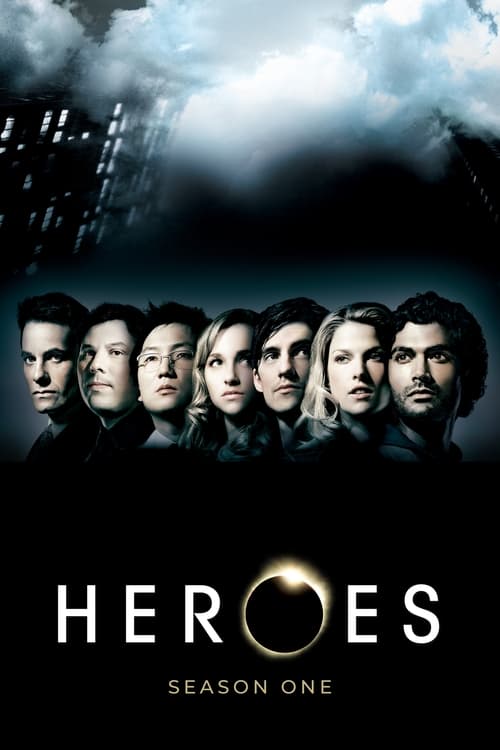
Heroes
Season 1 Analysis
Season Overview
A genetics professor. A hospice nurse. A single mom. A street cop. A small town cheerleader. A tormented artist. A computer geek. From places as divergent as Tokyo, India, New York City and Odessa, Texas — they appear to be ordinary people. But they're beginning to find out they're not like everyone else. In fact, they're meant for something much more... Heroes tells the fascinating story of people discovering remarkable abilities — to transport through time and space, to hear another's thoughts, to be physically indestructible, to paint the future. Each must contend with their unique power. And as they struggle to make sense of what and why all this is happening, destiny will ultimately bring them together to change our world.
Season Review
Categorical Breakdown
The show features a global cast to reflect a worldwide phenomenon, not to fulfill diversity quotas. Characters like Hiro and Mohinder are driven by honor and scientific curiosity, and white male characters like Peter and Nathan Petrelli are central, capable protagonists. There is no vilification of whiteness or mention of systemic privilege.
The central plot involves a group of individuals working to save New York City from destruction. The narrative values the preservation of the home and local community. Families, though complicated, are shown as the essential bedrock of the characters' lives.
Gender roles are largely complementary. Men are frequently depicted in protective, fatherly, or leadership roles. Female characters like Claire and Niki are grounded by their relationships with their fathers and children; they are not 'Girl Bosses' who emasculate the men around them.
The season contains no references to queer theory or gender ideology. All romantic relationships and subplots are focused on heterosexual pairings and the preservation of the traditional nuclear family.
While the show uses evolution as a scientific premise, it treats the universe with a sense of wonder and destiny. It lacks hostility toward religion and suggests a higher moral purpose to the characters' existence, avoiding the cynicism of moral relativism.