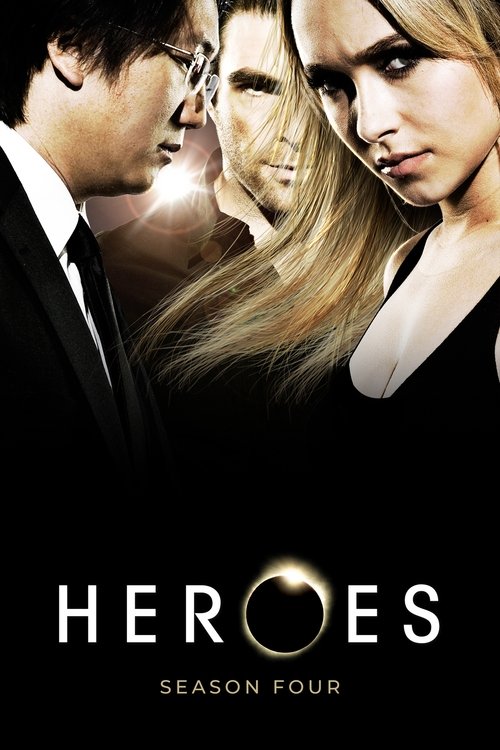
Heroes
Season 4 Analysis
Season Overview
Season 4 begins with our heroes putting their lives back together. Claire finds that her biggest challenge is forgetting her old life and starting college. Hiro Nakamura goes back to his old life in Japan, but discovers that he has a terminal illness and sets out to fulfill his own personal bucket-list. Peter Petrelli returns to work as an ordinary New York City EMT. H.R.G. is adjusting to life as a single man, but when Mohinder Suresh offers H.R.G. compelling evidence of a new danger, it makes H.R.G. wonder if he should get back in the game. Nathan Petrelli returns to the Senate and begins to notice strange changes in himself. Matt Parkman returns to life as an ordinary family man, but finds something unfamiliar buried deep within his psyche. And a strange and dangerous carnival comprised of a traveling band of outsiders with powerful abilities suddenly poses a grave challenge.
Season Review
Categorical Breakdown
Plot lines focus on the 'Specials' as a biological minority, but avoid modern racial or systemic intersectional lectures. Character value is determined by their abilities and moral choices.
The series treats family legacy and national identity with respect. It lacks hostility toward Western structures, focusing instead on the danger of individuals misusing power.
Female characters are strong but vulnerable, avoiding the invincible 'Girl Boss' stereotype. Male characters like Peter and Sylar remain central, competent, and essential to the plot.
The introduction of a same-sex attraction arc for Claire marks a shift toward alternative lifestyle representation. This subplot moves away from the traditional romantic norms established in earlier seasons.
The show is secular but not antagonistic toward religion. It portrays a clear distinction between good and evil, suggesting a belief in objective moral truth rather than subjective relativism.