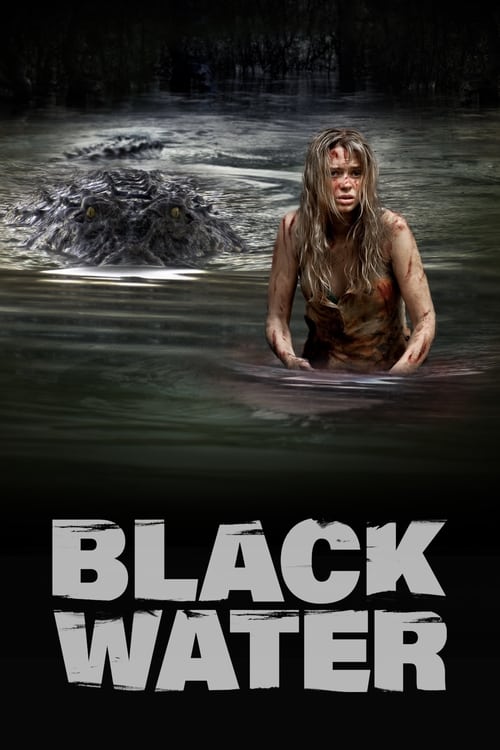
Black Water
Plot
Based on true events, Grace, her boyfriend Adam, and her younger sister, Lee, are on holiday in Northern Australia when they decide to take a tour down a river. As they drift into a swamp, their boat suddenly capsizes. Stranded in the flooded swamp, the three tourists must figure out what to do to survive as they realize they are being watched through the black water.
Get the Weekly Woke Watchlist
New and trending movies scored for woke bias, preachy messaging, and forced political themes — before you waste your evening.
No spam. One useful email per week.
Overall Series Review
Categorical Breakdown
The movie centers on three Australian tourists, all of whom appear to be white, with no deliberate casting for 'forced diversity' or 'race-swapping.' The plot makes no reference to race, systemic oppression, or intersectional hierarchy. Character worth is judged solely by their actions and resilience in a life-or-death situation, reflecting a universal meritocracy of survival.
The central conflict is a direct, amoral attack by a wild animal in the remote Australian wilderness. The film does not frame Western civilization, Australian society, or the characters' home culture as fundamentally corrupt or racist. The danger is purely natural, depicting the savage indifference of nature rather than civilizational self-hatred.
While the focus is on a survival challenge, one female lead, Grace, is revealed to be pregnant, which frames her struggle in a maternal context and runs directly counter to anti-natalism. The main characters, Adam, Grace, and Lee, face the threat with a mix of fear and attempts at competence that are not strictly delineated by gender. The presence of two primary female characters and their eventual actions in the climax show resilience without necessarily resorting to the 'Mary Sue' trope or emasculating the male character, who dies while trying to save them. The score moves slightly above the absolute minimum due to the female characters dominating the runtime and final acts, but this is a function of who survives, not an ideological lecture.
The core relationships are a heterosexual couple (Grace and Adam) and a sibling pair (Grace and Lee). The film has no characters defined by alternative sexual identity, nor does it contain any messaging or lecturing regarding queer theory, gender ideology, or the deconstruction of the nuclear family structure. Sexuality remains private and is not the focus of the narrative.
The movie is a purely secular survival thriller. It makes no attempt to discuss or vilify religion. The characters do not appeal to or criticize any faith; they rely on their own wits and physical efforts. The objective moral law is defined by the predator/prey dynamic, acknowledging the objective truth of danger in the natural world without a spiritual vacuum or moral relativism lecture.
Get the Weekly Woke Watchlist
New and trending movies scored for woke bias, preachy messaging, and forced political themes — before you waste your evening.
No spam. One useful email per week.