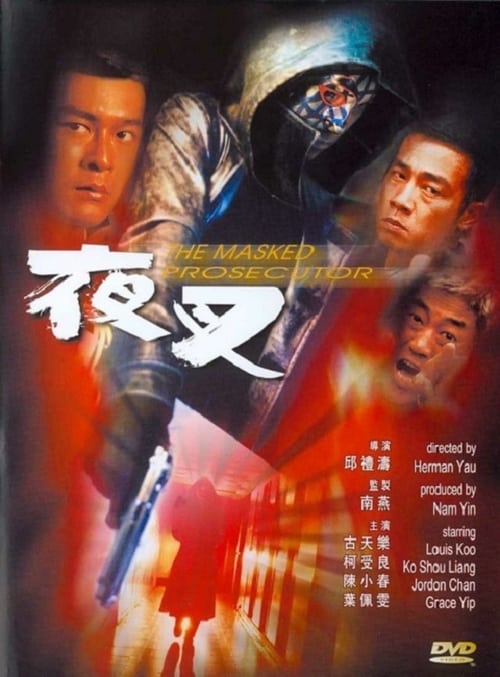
The Masked Prosecutor
Plot
Two cops, one young and tough, the other nearing retirement, are after a ruthless vigilante who kidnaps and tortures acquitted criminals.
Get the Weekly Woke Watchlist
New and trending movies scored for woke bias, preachy messaging, and forced political themes — before you waste your evening.
No spam. One useful email per week.
Overall Series Review
Categorical Breakdown
The movie is a Hong Kong production with a culturally authentic cast. Character motivations revolve around individual actions, guilt, innocence, and police professionalism, operating on a principle of universal meritocracy. There is no commentary on race, intersectional hierarchy, or vilification of any specific immutable characteristic group.
The film’s critique is aimed at the corruption and failings of the local legal system, where criminals are able to escape justice. This is a critique of a specific systemic failure, not a condemnation of the core civilization, its ancestors, or its fundamental institutions. The police detectives are actively working to uphold the rule of law.
The core professional conflict and main character dynamic is male, featuring a young detective, a veteran detective, and the male vigilante. Women are present in secondary roles, including a requisite love interest, but the plot offers no narrative focus on 'Girl Boss' tropes, the emasculation of men, or anti-natalist messaging. Masculinity is portrayed as protective and competent, whether on the side of the law or extrajudicial vengeance.
The narrative is completely centered on the subjects of crime, justice, and the police investigation. There is an absence of any themes related to alternative sexualities, deconstructing the nuclear family, or gender ideology. The structure of the primary relationships and social environment is normative.
The central moral debate concerns whether the written law or a higher moral truth should govern the fate of criminals, directly acknowledging an objective moral law. The vigilante’s punishments include forcing his victims to listen to Hindu Buddhist chanting music, suggesting a spiritual element to his moral code. The film does not target traditional religion, specifically Christianity, as the root of evil.
Get the Weekly Woke Watchlist
New and trending movies scored for woke bias, preachy messaging, and forced political themes — before you waste your evening.
No spam. One useful email per week.