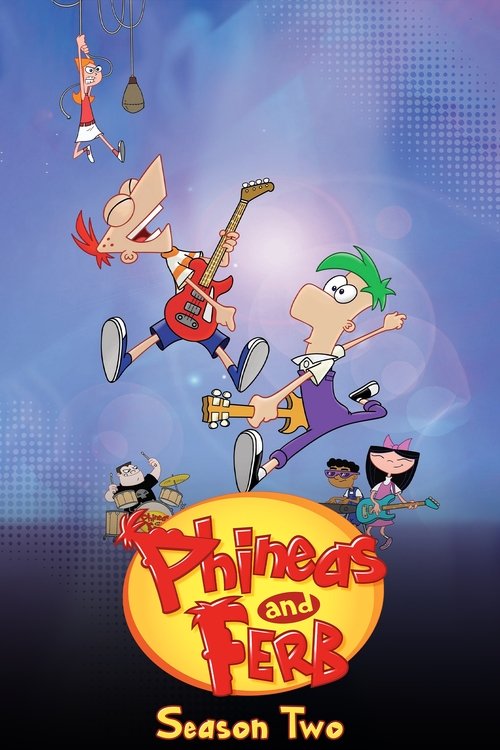
Phineas and Ferb
Season 2 Analysis
Season Overview
No specific overview for this season.
Season Review
Categorical Breakdown
The cast features a diverse range of backgrounds, including Indian, Jewish, and British characters, yet their ethnicity is never a point of conflict or political discussion. Characters like Baljeet and Isabella are valued for their specific skills and friendship. The show operates as a true meritocracy where intelligence and creativity are the primary measures of a character's worth.
The series portrays the American suburbs as a playground of opportunity and safety. It celebrates local community events, family traditions, and the concept of 'home.' During international travel episodes, the characters remain grounded in their own culture while viewing others with curiosity rather than shame or self-hatred.
Female characters are depicted as highly capable and intelligent without being used to emasculate the male leads. Isabella leads the Fireside Girls with efficiency, and Linda is a respected, former career-woman who finds fulfillment in her family. While the villain is a bumbling male, the primary male protagonists are portrayed as exceptionally competent, proactive, and positive role models.
The narrative adheres strictly to traditional social norms. Romantic interests are exclusively heteronormative, focusing on the crushes between Candace and Jeremy or Phineas and Isabella. The series contains no references to gender theory or alternative sexualities, keeping the focus on age-appropriate, normative relationship dynamics.
The show is largely secular but shows zero hostility toward religious or traditional values. The special holiday episodes treat Christmas with sincerity and respect for tradition. Moral boundaries are clearly defined, and the show avoids the 'power dynamics' lens of moral relativism, instead rewarding honesty and kindness.