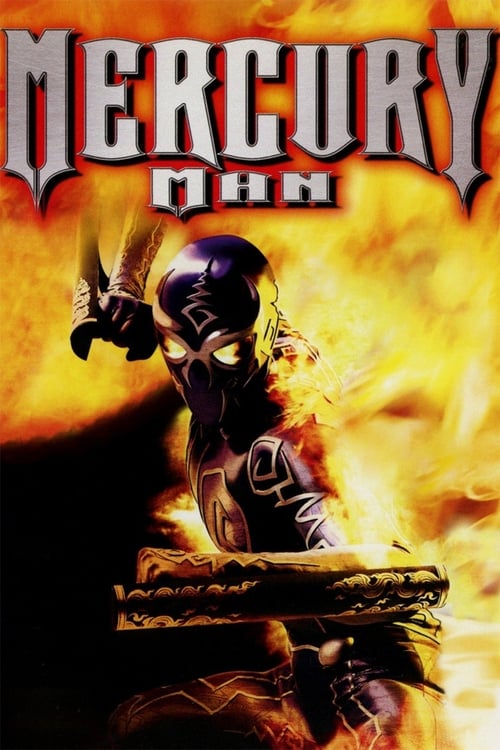
Mercury Man
Plot
After a brush with a strange substance, an average fireman transforms into something far greater than himself — the Mercury Man. Endowed with fantastic superpowers, he will now use his abilities to help conquer the forces of evil.
Get the Weekly Woke Watchlist
New and trending movies scored for woke bias, preachy messaging, and forced political themes — before you waste your evening.
No spam. One useful email per week.
Overall Series Review
Categorical Breakdown
The narrative's central conflict is a traditional battle between a heroic Thai firefighter and a foreign terrorist, Usama bin Ali, seeking to cause destruction. The protagonist's transformation is based on an ancient amulet and his merit as a rescuer, not on a commentary about his race or an intersectional lens. The casting is authentic to the film's Thai setting without political lecturing.
The plot centers on a local hero (a Bangkok firefighter) defending his nation and community from a terrorist threat. The core message is one of civilizational defense and national protection. The use of an ancient amulet as the source of power suggests a respect for national or indigenous mystical heritage, aligning with a sense of gratitude and upholding institutions.
The story is a classic male hero's journey, focusing on a man transforming into a protective superhero. The narrative does not feature a 'Girl Boss' trope that instantly sidelines or diminishes the male lead. The hero's masculinity is framed in a protective role, consistent with the film's firefighter premise, and there is no indication of anti-natal or anti-family messaging.
The plot is a simple action-superhero story involving a mystical power source, a hero, and a terrorist villain. There is no evidence of the narrative centering alternative sexualities, promoting queer theory, or deconstructing the nuclear family. Sexuality remains a private, non-ideological aspect of the film.
The hero's powers come from a mystical 'Solar Mercury' substance embedded by an ancient amulet, which grounds the struggle in a transcendent, pre-modern moral framework of good versus evil. This focus on ancient, mystical forces as a power source runs counter to the vilification of traditional faith or the embrace of moral relativism.
Get the Weekly Woke Watchlist
New and trending movies scored for woke bias, preachy messaging, and forced political themes — before you waste your evening.
No spam. One useful email per week.