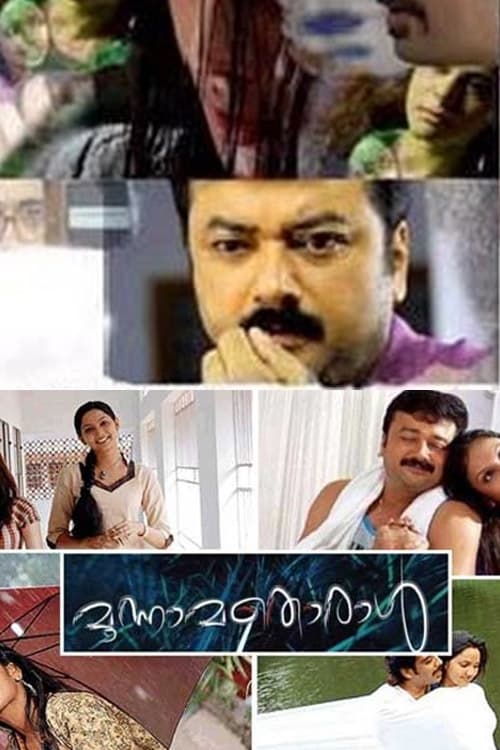
Moonnamathoral
Plot
Two young girls rent an old house and are disturbed by the presence of a mysterious lady who moves around their house. However, trouble ensues when they try to find out about the paranormal presence.
Get the Weekly Woke Watchlist
New and trending movies scored for woke bias, preachy messaging, and forced political themes — before you waste your evening.
No spam. One useful email per week.
Overall Series Review
Categorical Breakdown
Characters are defined by their professions (police officer, writer, nurses) and their role in the mystery. The casting is regionally authentic and the plot is devoid of race or caste-based political commentary, meritocracy is the standard.
The plot's horror elements are tied to a localized 'dark historical secret' within a specific haunted bungalow. This is a common genre trope and does not frame the home culture or ancestors as fundamentally corrupt or evil in a civilizational sense. It respects the setting by making its history the source of the conflict.
Female characters are independent, working professionals (nurses, writer) who drive the central mystery. The female lead (Bala) pursues her career post-marriage while the marital unit itself is portrayed as a positive goal, with the husband (Jeeva) actively seeking to rekindle their romance. The film avoids emasculation of the male lead and anti-natal messaging.
The core relationships revolve around a traditional married couple and two female friends. The narrative is focused on supernatural mystery and romance, containing no elements of sexual ideology, deconstruction of the nuclear family, or gender theory lecturing. The structure is entirely normative.
The story centers on 'paranormal forces,' 'ancient secrets,' and a character who is a 'witchcraft practitioner.' The reliance on spiritual and supernatural elements as plot drivers acknowledges a non-material reality, upholding a transcendent element to the narrative and countering moral relativism.
Get the Weekly Woke Watchlist
New and trending movies scored for woke bias, preachy messaging, and forced political themes — before you waste your evening.
No spam. One useful email per week.