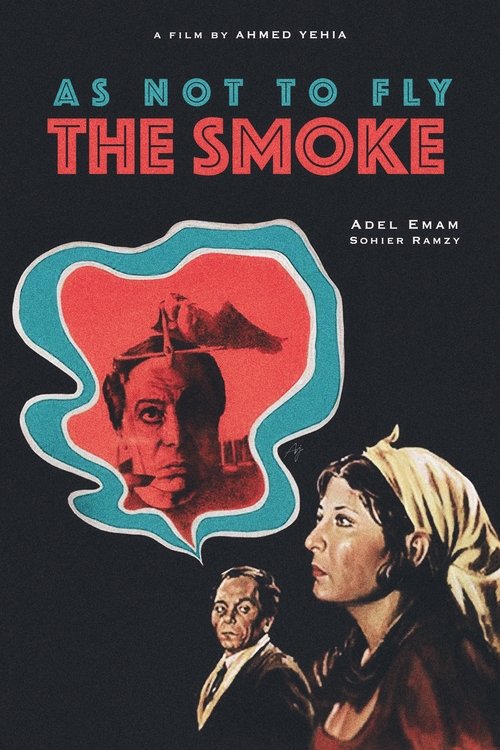
As Not to Fly the Smoke
Plot
Fahmi Abdul Hadi .. A distinguished student of law school .. His dreams are simple and his actions are ideal and pure .. Fahmi collides with the bitter reality of life when losing his mother because he cannot afford the price of her treatment. At a time, He watches his colleagues around him spend money like water and making fun of his poverty and even refuse to help him to treat his mother. Fahmi decides to abandon the idealism and take revenge of all who failed him.
Get the Weekly Woke Watchlist
New and trending movies scored for woke bias, preachy messaging, and forced political themes — before you waste your evening.
No spam. One useful email per week.
Overall Series Review
Categorical Breakdown
The narrative uses a lens of class conflict, pitting the poor, rural student (Fahmi) against the corrupt, wealthy elite. The conflict is based on economic disparity and moral corruption, not the vilification of 'whiteness' or forced intersectional hierarchy. Character value is judged by moral integrity (the content of their soul) versus greed, not immutable characteristics.
The film critiques systemic corruption and social injustice within its own nation's elite class. This internal criticism of the nation's contemporary moral failure and economic disparity does not equate to hostility toward Western civilization, its core institutions, or its ancestors. The focus is on a call for moral accountability within the home culture.
The female characters are distinct and complementary. Fahmi's mother is a selfless, nurturing figure. The loyal neighbor, Suneya, who supports Fahmi in his poverty, represents traditional virtue and is ultimately rewarded. The character who embodies materialism and anti-natalism (Khairiya, who rejects Fahmi for being poor and is later humiliated by him) is portrayed negatively and suffers consequences, directly opposing the 'Girl Boss' and anti-family trope.
The plot focuses entirely on normative male-female relationships and traditional family structures, such as the bond between Fahmi and his mother and his eventual decision to marry Suneya. The narrative does not feature any centering of alternative sexualities, deconstruction of the nuclear family, or commentary on gender ideology. Sexuality is treated as a private matter, not a political one.
The core of the film is a moral drama about the consequences of abandoning idealism for corruption and revenge. The final act suggests a recognition of higher moral law as the protagonist attempts a form of redemption (by leaving his wealth to the good-hearted woman). The mother's faith is shown as a source of strength and hope, not a target of ridicule, and traditional religion is not presented as the root of evil.
Get the Weekly Woke Watchlist
New and trending movies scored for woke bias, preachy messaging, and forced political themes — before you waste your evening.
No spam. One useful email per week.