For Those We Love
Plot
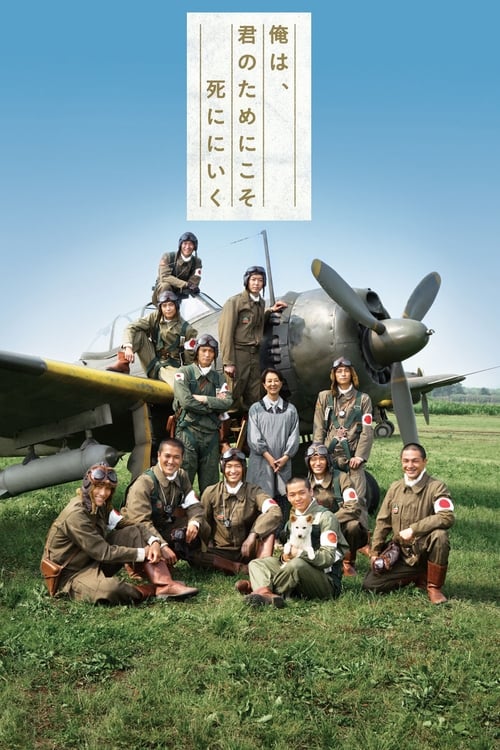
In 1943, as Japan's WWII effort falters, a vice-admiral proposes training squadrons of "volunteer" flyers to crash their armed planes into Allied warships. Yarn follows the lives of kamikaze pilots, as remembered by an aging Kyushu restaurateur who cherishes their memory. Honoring the dead and multiple military anthems may stir the soul of some Japanese, but elsewhere auds will make a one-way trip for exits. Battle scenes are well-executed and script delivers some memorable scenes, but overall competent helming and thesping are powerless over writer-cum-Tokyo governor Shintaro Ishiara's repetitive storytelling. A post-war postscript adds considerable length to an already over-extended narrative. Tech credits are good quality.
Get the Weekly Woke Watchlist
New and trending movies scored for woke bias, preachy messaging, and forced political themes — before you waste your evening.
No spam. One useful email per week.
Overall Series Review
Categorical Breakdown
The film’s focus is on a culturally and ethnically homogenous group of Japanese pilots and their shared fate during wartime. Character merit is tied exclusively to patriotism, duty, and personal sacrifice. The narrative makes no reference to immutable characteristics, intersectionality, or the vilification of any ethnic group within the Japanese context, nor does it feature forced diversity or race-swapping.
The film is an explicit and emotional testament to national sacrifice and devotion to the homeland, framed by its writer, a nationalist politician, as an honoring of the sacrifices that 'built the new Japan.' It celebrates the soldiers and ancestors who defended the nation, positioning its core institutions (nation, honor, duty) as the highest virtues, the antithesis of civilizational self-hatred.
The primary female character, Tome Torihama, is lauded for her role as the 'Mother of the Kamikaze,' sacrificing her own possessions and energy to nurture and protect the young pilots. This portrays motherhood and traditional maternal devotion as a vital, respected, and complementary role to the masculine sacrifice of the soldiers, avoiding 'Girl Boss' or anti-natalist messages.
As a historical war drama focused on military duty and sacrifice, the film maintains a normative structure, featuring no alternative sexualities, gender ideology, or deconstruction of the nuclear family. Sexuality is entirely private and not a factor in the plot or character definitions.
The film is imbued with a spiritual and transcendent moral gravity, emphasizing the duty of sacrifice and the spiritual honor of the dead (e.g., the fireflies postscript). This focus acknowledges a higher moral law of loyalty and honor, contrasting with modern moral relativism. It does not display hostility toward traditional religion, especially the indigenous and Buddhist elements of Japanese culture.
Get the Weekly Woke Watchlist
New and trending movies scored for woke bias, preachy messaging, and forced political themes — before you waste your evening.
No spam. One useful email per week.