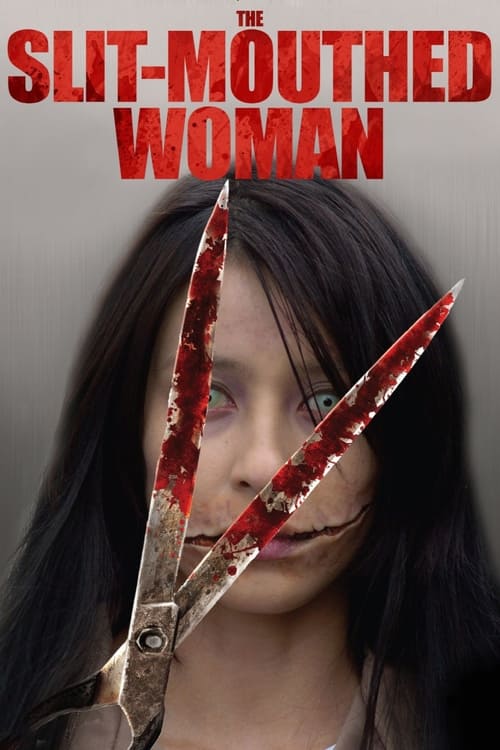
Carved: The Slit-Mouthed Woman
Plot
Legend holds that 30 years ago, a suburban town was terrorized by the spirit of a woman whose horrid face had been grotesquely disfigured. Roaming the streets wearing a long coat and carrying large scissors, the spirit would approach her young victims and, while removing the mask, ask if she was pretty. The victim’s response would almost always lead to their violent death.
Get the Weekly Woke Watchlist
New and trending movies scored for woke bias, preachy messaging, and forced political themes — before you waste your evening.
No spam. One useful email per week.
Overall Series Review
Categorical Breakdown
The film is a non-Western production based on Japanese folklore, starring a Japanese cast, and set in Japan. The narrative is entirely concerned with an indigenous urban legend and personal trauma. No concept of 'whiteness' is vilified, nor is there any forced insertion of diversity or 'race-swapping.' Characters are defined by their roles as teachers, victims, or abusers.
The film critiques severe social problems—child abuse and domestic violence—within the framework of a horror story. This is a critique of individual parental failure and societal trauma, not a condemnation or self-hatred toward the foundational civilization or its institutions. There is no framing of external cultures as morally superior to the Japanese setting.
The score is high due to the narrative's specific framing of evil. The core antagonist is a vengeful female spirit who possesses and weaponizes mothers. The central theme suggests a 'dark impulse' or potential for cruelty inherent in the maternal role, making the primary source of terror a destructive, anti-natal/anti-family manifestation of womanhood. The original spirit was an abusive mother who killed her own children, and the protagonist teacher is a divorced mother with a troubled relationship with her daughter.
The film contains no themes related to sexual ideology, gender theory, alternative sexualities, or deconstruction of the nuclear family on the basis of gender identity. The conflict is strictly centered around traditional male-female family units facing dysfunction through divorce and child abuse.
The film is based on a spiritual urban legend involving a vengeful ghost, a curse, and demonic possession, which operates within a supernatural, folklore-based morality. There is no explicit attack on or hostility toward organized religion, specifically Christianity. The presence of the curse and spirit acknowledges a transcendent, albeit evil, force.
Get the Weekly Woke Watchlist
New and trending movies scored for woke bias, preachy messaging, and forced political themes — before you waste your evening.
No spam. One useful email per week.