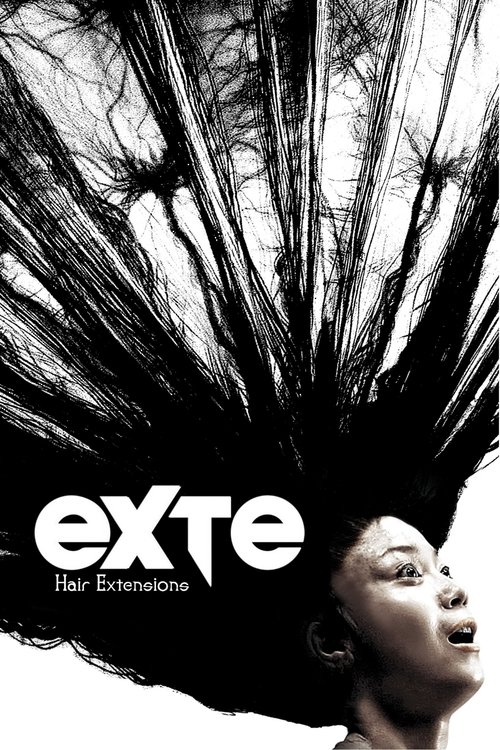
Exte: Hair Extensions
Plot
An aspiring hairdresser becomes the infatuation of a tricophilic man who sells hair extensions to nearby salons. The source is the corpse of a girl whose corpse continues to grow beautiful, voluminous, black hair that comes alive, either driving the extension user insane or killing them.
Get the Weekly Woke Watchlist
New and trending movies scored for woke bias, preachy messaging, and forced political themes — before you waste your evening.
No spam. One useful email per week.
Overall Series Review
Categorical Breakdown
The movie is a Japanese production set in Japan with a homogeneous Japanese cast. Character success or failure is determined by individual merit, work ethic, and moral choices. The protagonist, Yuko, is a hardworking apprentice, while the main male antagonist is judged solely by his sexual deviance and criminal exploitation of the dead and vulnerable, with no reference to race or Western-style intersectional hierarchy.
The film satirizes the superficiality of a modern Japanese youth trend (hair extensions) and exposes the horror of local crime (child abuse, organ harvesting). The narrative, however, champions positive aspects of Japanese domestic life, such as the protective, nurturing family unit represented by Yuko and her honest workplace mentorship. There is no broad hostility toward Japanese civilization or its history.
The female protagonist, Yuko, is not instantly perfect but is shown working hard as an apprentice to earn her skill and confidence. She demonstrates protective strength by saving her niece and defeating the male villain. The film features a profoundly negative depiction of Yuko's sister, a mother who abuses and neglects her child, portraying her selfish choices as a source of evil and chaos. The climax frames assuming the motherhood role (Yuko adopting her niece) as a moral triumph and source of fulfillment.
The narrative focuses on a heterosexual male antagonist's perversion and the dynamics of a traditional family unit, both functional and dysfunctional. Sexual identity is not a primary theme, and there is no messaging about deconstructing gender or the nuclear family.
The supernatural horror is rooted in the vengeful spirit of an innocent, murdered girl, which represents a spiritual consequence for an objective, monstrous evil. The ending suggests the spirit finds peace after justice is delivered, implying a system of objective moral law and transcendent justice, not moral relativism. No established religion, including Christianity, is criticized or made a source of villainy.
Get the Weekly Woke Watchlist
New and trending movies scored for woke bias, preachy messaging, and forced political themes — before you waste your evening.
No spam. One useful email per week.