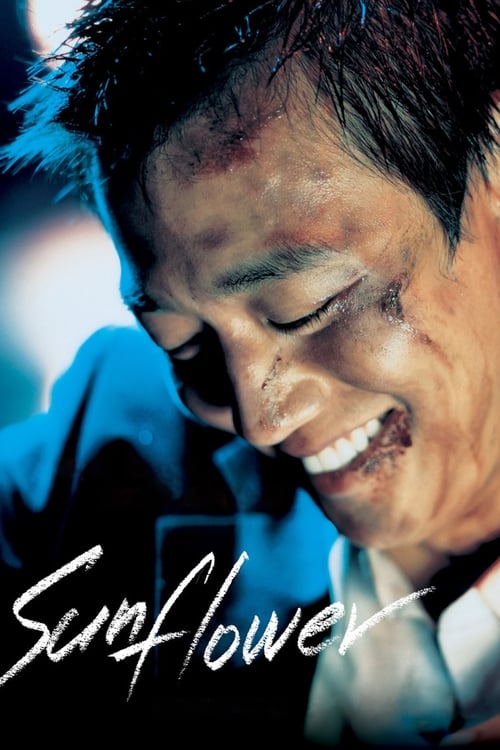
Sunflower
Plot
Tae-sik gets out of a prison after spending 10 years for killing a man and wishes nothing but an ordinary life. A local lady welcomes him into her household like a son and he gets a second chance in life. His former gang tries to destroy his new home in order to build a night club but he won’t let them destroy his new family.
Get the Weekly Woke Watchlist
New and trending movies scored for woke bias, preachy messaging, and forced political themes — before you waste your evening.
No spam. One useful email per week.
Overall Series Review
Categorical Breakdown
The plot focuses on the universal themes of personal redemption, repentance, and the conflict between an individual trying to reform and the corrupt elements of society. Characters are judged by their moral choices, such as the protagonist's commitment to peace or the antagonist's corruption and greed. The narrative contains no elements of racial or intersectional hierarchy and does not lecture on privilege.
The film does not frame its home culture as fundamentally corrupt or racist. The corruption is localized to a criminal politician and his gang who represent greed and moral decay. The story celebrates core civilizational institutions like family and a simple, honest life, positioning them as shields against chaos and criminal forces.
Gender dynamics revolve around a mother figure (Yang Deok-ja) who is the ultimate moral authority in the story, embodying powerful unconditional forgiveness. Motherhood and the family unit are portrayed as the primary source of the protagonist's moral transformation and strength. The male protagonist's arc is one of self-control and protective masculinity, not a depiction of him as a bumbling idiot or toxic figure unless he is an explicit villain. Masculinity, though dangerous, is redeemed through its commitment to protecting the family.
The narrative centers entirely on the drama of a reformed criminal and his adoptive family. There is no presence of sexual ideology, centering of alternative sexualities, or discussion of gender theory. The core family unit, though non-blood related, is presented as a normative, protective structure.
The core thematic content is centered on objective moral law: atonement, redemption from past sins, and the necessity of punishment for transgression. The protagonist's transformation is driven by a commitment to a new, morally transcendent path, the opposite of moral relativism. Faith and spiritual change are presented as a source of strength and moral clarity.
Get the Weekly Woke Watchlist
New and trending movies scored for woke bias, preachy messaging, and forced political themes — before you waste your evening.
No spam. One useful email per week.