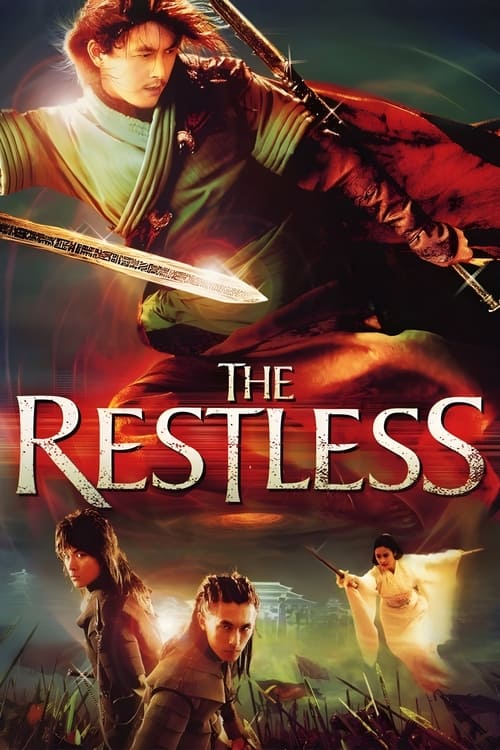
The Restless
Plot
After his beloved fiancée is killed by demons, Yi Gwak joins the royal demon-hunting squad and distinguishes himself as a great hero. And though Yi eventually falls in battle, his adventures are just beginning. His spirit is whisked away to Joong-cheon, a place between heaven and earth where souls await reincarnation -- and where the final, epic clash between the forces of good and evil will be played out.
Get the Weekly Woke Watchlist
New and trending movies scored for woke bias, preachy messaging, and forced political themes — before you waste your evening.
No spam. One useful email per week.
Overall Series Review
Categorical Breakdown
The film is a Korean production set in ancient Korea with an entirely East Asian cast, meaning the narrative does not engage with Western intersectional politics. Character virtue and merit are the driving forces of the plot, not immutable characteristics. The villain is motivated by past political injustice and revenge, not systemic vilification based on race or gender.
A moderate critique of the 'home culture' exists, as the villain's demonic rebellion is fueled by the injustice and betrayal he and his unit suffered from the living world and its authorities. The narrative frames this as a specific human failing and a motivation for evil, not a general demonization of Korean civilization or ancestry. Institutions of spiritual and celestial order are depicted as necessary shields against chaos.
The female lead, So-hwa, is a central figure of spiritual importance, guarding the soul essence of a celestial lord. However, the narrative arc for the hero, Yi Gwak, is centered on his relentless pursuit to save her and make her remember their love. She is defined by her protective spiritual role and her identity as the hero's lost love, and not as a 'Girl Boss' figure in the modern sense. The film celebrates a traditional complementary pairing and has no anti-natalist messaging.
The primary relationship is the heterosexual love story between Yi Gwak and his deceased fiancée, Yon-hwa/So-hwa. The narrative contains no elements of alternative sexualities, deconstruction of the nuclear family, or gender ideology lecturing. The film operates entirely within a traditional normative structure.
The entire story is immersed in a clear transcendent moral structure, pitting the forces of good (celestial guardians of Midheaven) against the forces of evil (demons and rebellious spirits). Faith, loyalty, and a higher moral law are the foundation of the conflict. While the hero's former mentor is a 'good' person driven to evil by betrayal, the moral lines between righteous order and demonic chaos are firm, acknowledging Objective Truth. The score is only slightly elevated because the spiritual authority of 'Midheaven' itself is a battleground, not because of a direct attack on religion.
Get the Weekly Woke Watchlist
New and trending movies scored for woke bias, preachy messaging, and forced political themes — before you waste your evening.
No spam. One useful email per week.