Safe Harbour
Plot
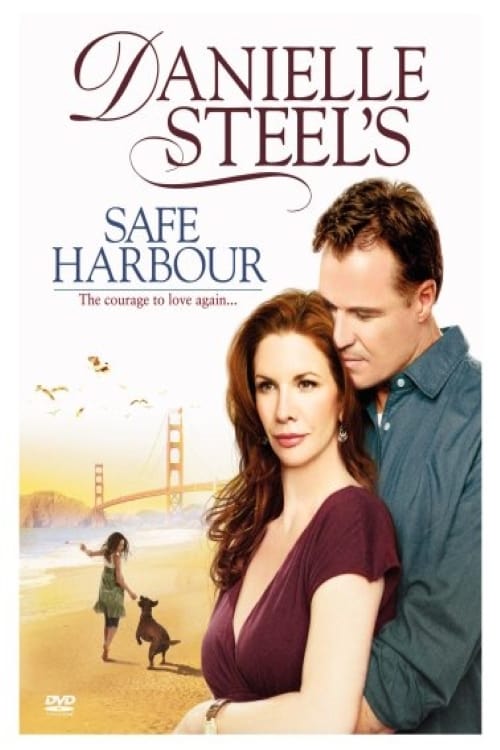
Melissa Gilbert stars in this film adaptation of Danielle Steel's bestselling novel, in which a young girl named Pip and her mother meet an artist on the beach in Safe Harbour, where they have retreated in order to recover from the devastating loss of Pip's father and brother.
Get the Weekly Woke Watchlist
New and trending movies scored for woke bias, preachy messaging, and forced political themes — before you waste your evening.
No spam. One useful email per week.
Overall Series Review
Categorical Breakdown
Characters are defined by their personal tragedies, emotional state, and moral choices, not by their race or an intersectional hierarchy. The central theme is a universal emotional journey of healing and finding connection after loss. There is no forced diversity or lecturing on privilege.
The setting is a peaceful coastal town, framed as a safe retreat from the chaos of loss, suggesting a positive view of 'home' as a source of healing. The plot’s resolution involves establishing a new, healthy family, which validates the foundational Western institution of the family unit, not hostility toward it.
The female lead is depicted as emotionally withdrawn and clinically depressed following her loss, which directly contradicts the 'Girl Boss' trope of instant perfection. The central male character is a kind, protective figure who helps her to heal. Male and female characters are flawed but are seeking a complementary, supportive relationship, which celebrates masculinity as protective and motherhood (though currently lost) as a valued state.
The core romance is a traditional male-female pairing, and the central conflict involves rebuilding a nuclear family structure for a young girl. The plot contains no references to alternative sexual ideologies, deconstruction of the family, or gender theory.
The healing journey is entirely framed in psychological and romantic terms, with no mention of organized religion or hostility toward it. The film promotes objective moral values like kindness, fidelity (by contrast to the past), and personal strength, avoiding moral relativism or making a Christian figure a villain.
Get the Weekly Woke Watchlist
New and trending movies scored for woke bias, preachy messaging, and forced political themes — before you waste your evening.
No spam. One useful email per week.