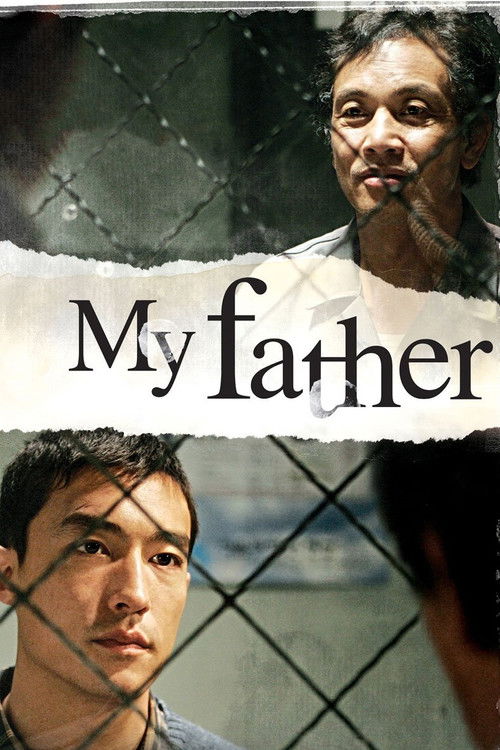
My Father
Plot
A U.S. soldier comes to Korea and tracks down his biological father in jail.
Get the Weekly Woke Watchlist
New and trending movies scored for woke bias, preachy messaging, and forced political themes — before you waste your evening.
No spam. One useful email per week.
Overall Series Review
Categorical Breakdown
The plot's central theme is the protagonist’s search for his Korean identity as an American-raised adoptee, which places 'immutable characteristics' and origin at the heart of the conflict. However, this is presented as a personal journey of cultural reconnection and longing, not as a lecture on systemic oppression or an intersectional hierarchy. The protagonist is depicted as a competent US Army Captain. His American adoptive family is shown as loving and supportive, avoiding the vilification of 'whiteness' or Western culture.
The American adopted family is portrayed positively, having raised the protagonist in a happy and healthy environment. The film's setting in Korea deals with a personal crime (a father on death row), which is a family tragedy, not a statement that Korean society is fundamentally corrupt. No evidence suggests hostility toward Western civilization, the protagonist’s home, or Korean heritage as a whole.
The core of the narrative is a father-son story. The plot summaries contain no mention of 'Mary Sue' or 'Girl Boss' tropes. There is no focus on emasculation of male characters or anti-natalist/anti-family messaging. The longing for a biological family, including a mother, supports a traditional view of family structure, even though the biological mother is deceased.
The narrative maintains a normative structure, centered entirely on the male-female pairing of the biological and adoptive families. There is no presence of alternative sexualities, gender ideology, or deconstruction of the nuclear family presented as a theme or plot point.
The film includes a religious element with a Catholic priest who acts as an intermediary, asserting that the convicted father has 'truly repented.' This positions faith as a potential source of moral guidance and rehabilitation, which is a positive role for traditional religion. While the murderer's supposed repentance is controversial, traditional religion is not depicted as the root of evil or Christian characters as villains.
Get the Weekly Woke Watchlist
New and trending movies scored for woke bias, preachy messaging, and forced political themes — before you waste your evening.
No spam. One useful email per week.