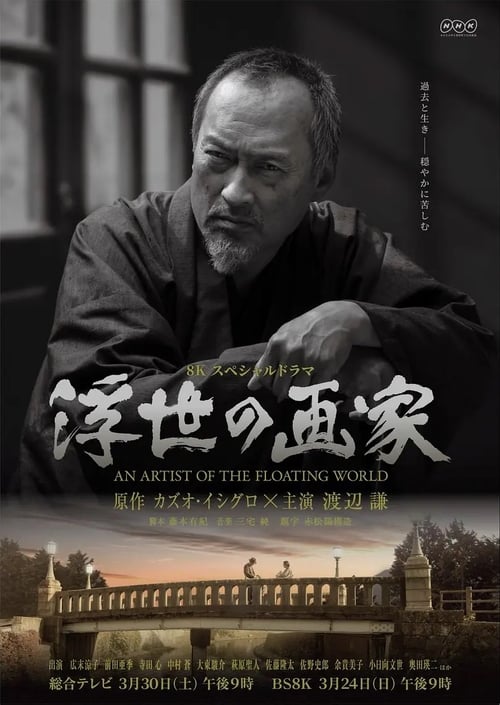
An Artist of the Floating World
Plot
In the face of the misery in his homeland, the artist Masuji Ono was unwilling to devote his art solely to the celebration of physical beauty. Instead, he put his work in the service of the imperialist movement that led Japan into WWII.
Get the Weekly Woke Watchlist
New and trending movies scored for woke bias, preachy messaging, and forced political themes — before you waste your evening.
No spam. One useful email per week.
Overall Series Review
Categorical Breakdown
The entire cast and setting are Japanese, authentic to the historical period of post-WWII Japan. The conflict is based on a man's personal political actions and moral culpability (character merit/lack thereof) regarding imperialist propaganda, not race, whiteness, or immutable characteristics.
The film criticizes the specific ideology of Japanese imperialism and the older generation who supported the war, which led to national ruin. The critique is internal and self-reflective, not a condemnation of fundamental Japanese culture, nor is it directed at 'Western civilization.' It portrays the necessary reckoning with a failed political system.
The gender dynamics are historically authentic to post-war Japan, centering on the traditional importance of a daughter's marriage and family reputation. The daughters' main concern is protecting their family’s honor and future. There are no 'Girl Boss' tropes, male emasculation is a consequence of the protagonist's failure, not a narrative goal, and the centrality of family is reinforced.
The narrative focuses exclusively on the traditional nuclear family and the pressure of marriage negotiations. There is no presence of alternative sexual ideologies, deconstruction of the male-female pairing, or gender theory lecturing. Sexuality is private and normative to the historical context.
The core of the conflict is one of moral responsibility, guilt, and atonement for political and ethical failings. The story's moral compass, while not explicitly religious, operates on an objective moral law (the necessity of truth and accountability) rather than promoting moral relativism. There is no hostility toward religion mentioned in the plot or themes.
Get the Weekly Woke Watchlist
New and trending movies scored for woke bias, preachy messaging, and forced political themes — before you waste your evening.
No spam. One useful email per week.