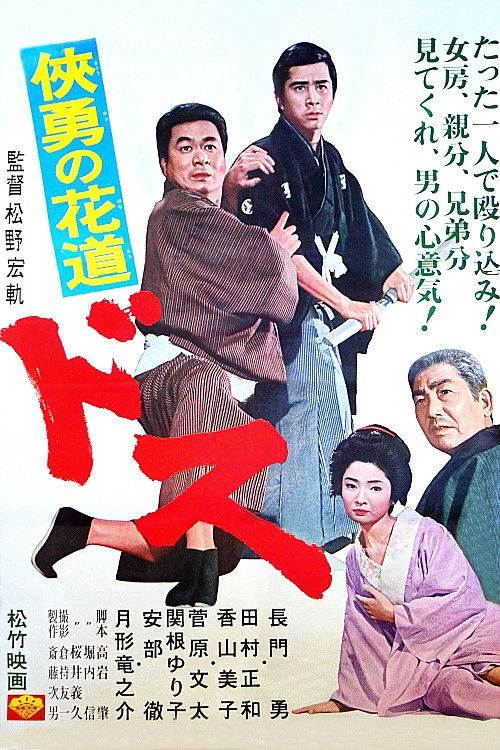
Sword: Flower-Strewn Path of Courage
Plot
After serving his sentence, Yakuza family member Toshin-gumi Umebayashi is released from prison. Toshin-gumi was already headed by the boss in the second generation of Shotaro, but Shotaro fell into a trap, he is manipulated by his sworn enemy Kanzaki-gumi. Kanzaki-gumi captures the Toshin-gumi oil fields mined by the first boss. Umebayashi explodes in anger and attacks Kanzaki-gumi, but...
Get the Weekly Woke Watchlist
New and trending movies scored for woke bias, preachy messaging, and forced political themes — before you waste your evening.
No spam. One useful email per week.
Overall Series Review
Categorical Breakdown
The plot centers on a specific conflict over resources and honor between two traditional Yakuza organizations. Character worth is defined by loyalty, courage, and action within the gang structure. The narrative focuses on a code of meritocracy, not an intersectional lens.
The central action is the protagonist's violent defense of his organization's territory (oil fields) and honor. The movie champions the internal code of the Yakuza family, which functions as a sacred institution that must be protected and restored, showing respect for its specific cultural heritage.
The conflict is driven by male characters (Umebayashi, Shotaro, Kanzaki-gumi) over turf and honor. The genre is historically masculine and focuses on traditional male roles of protection and violence. There is no evidence of a 'Girl Boss' trope, and the narrative centers on masculine vitality and codes of conduct.
The story is a straightforward revenge and turf war drama. The focus is on a strictly normative structure of gang loyalty and power dynamics. The film does not incorporate sexual identity, queer theory, or gender ideology into the narrative.
The central moral struggle revolves around loyalty, betrayal, and honor (Giri/Ninjo) within the secular Yakuza world. The film is concerned with a clear, objective moral order that the hero seeks to restore. Traditional religion is neither a source of strength nor a target of hostility.
Get the Weekly Woke Watchlist
New and trending movies scored for woke bias, preachy messaging, and forced political themes — before you waste your evening.
No spam. One useful email per week.