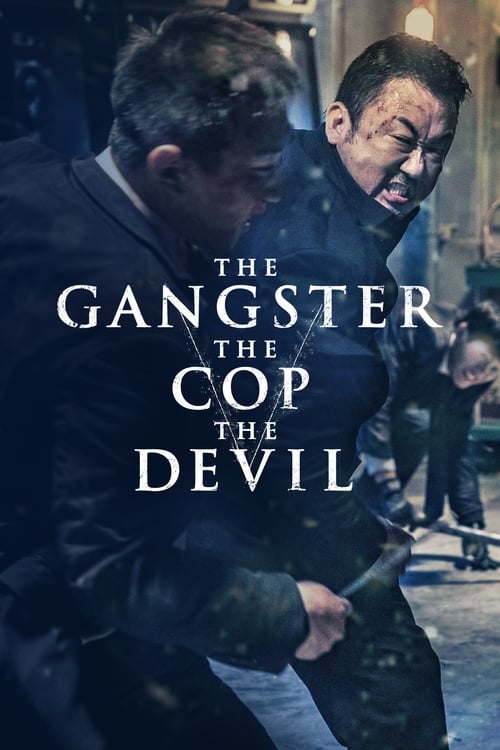
The Gangster, the Cop, the Devil
Plot
After barely surviving a brutal attack by a sadistic serial killer, crime boss Jang Dong-su is left humiliated. Determined to catch the killer known as K, he forms an uneasy alliance with Jung Tae-seok, a relentless and incorruptible detective who often disrupts his illegal business. However, while Jang Dong-su wants K dead, Jung Tae-suk is determined to bring him to justice. With a deal in place—whoever finds K first will decide his fate—the hunt begins, blurring the lines between crime and law.
Get the Weekly Woke Watchlist
New and trending movies scored for woke bias, preachy messaging, and forced political themes — before you waste your evening.
No spam. One useful email per week.
Overall Series Review
Categorical Breakdown
The narrative focuses on the dynamic between a crime boss and a detective, whose alliance is based purely on skill, necessity, and competence in hunting a serial killer. Characters are defined entirely by their actions and moral codes within their respective roles. The film does not rely on intersectional hierarchy, immutable characteristics, or vilification of any specific ethnic or racial group.
The film utilizes the standard crime genre trope of institutional critique, featuring a detective who must operate outside the legal system and deal with corrupt or incompetent superiors. This functions as a plot device to elevate the protagonist, rather than framing the entirety of South Korean culture or its heritage as fundamentally evil or corrupt.
The core of the film is a hyper-masculine action story revolving around the rivalry and forced cooperation of the three male leads: the gangster, the cop, and the serial killer. Female characters are entirely peripheral, with the narrative avoiding the inclusion of 'Girl Boss' or 'Mary Sue' tropes, and containing no anti-natalist or anti-family messaging.
The film contains no focus on alternative sexualities, gender identity, or queer theory. The central conflict is a high-stakes crime thriller hunt, maintaining a normative structure where sexual ideology is absent from the narrative focus.
The plot explores a moral gray area as the gangster with a personal code of honor and the cop who operates outside the law pursue a motiveless psychopath who is labeled 'The Devil.' The film challenges the audience's perception of morality by exploring anti-heroes, which aligns with moral relativism, but it avoids direct hostility toward traditional religion or framing faith as the root of evil.
Get the Weekly Woke Watchlist
New and trending movies scored for woke bias, preachy messaging, and forced political themes — before you waste your evening.
No spam. One useful email per week.