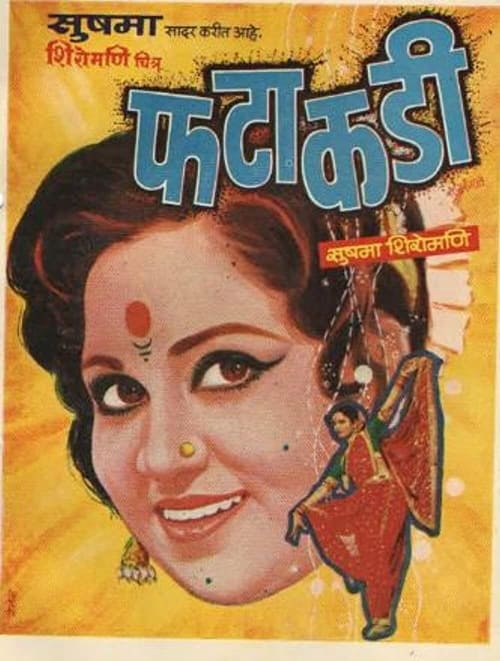
Fatakadi
Plot
Fatakdi is determined to avenge her father's death by trying to manipulate the murderer's son into revealing the truth and takes help from a local policeman named Bavlya.
Get the Weekly Woke Watchlist
New and trending movies scored for woke bias, preachy messaging, and forced political themes — before you waste your evening.
No spam. One useful email per week.
Overall Series Review
Categorical Breakdown
The plot is driven by a class-based conflict where the wealthy, powerful landlord is the villain and the poor farmer's family is the hero. The narrative aligns morality with a simple class hierarchy, pitting the oppressor against the oppressed. The film avoids the racial and ethnic themes central to modern Western identity politics.
The conflict is entirely internal to the civilization, revolving around individual corruption, a land dispute, and the pursuit of justice within a village setting. Traditional institutions and cultural celebrations are presented with respect. The film offers a sense of gratitude for the foundational elements of home culture.
The female lead, Fatakadi, is the primary agent of justice, displaying exceptional competence, fearlessness, and the ability to manipulate her male target. She is a self-made character who operates as a 'Girl Boss' in her quest. Her primary motivation, however, is the defense and reunification of her nuclear family and the avenging of her father, which is a vitalistic family-centric goal.
The narrative is entirely focused on a traditional, heterosexual family drama centered on revenge and reunion. The core conflict and emotional weight adhere to a normative structure, making no thematic or explicit references to alternative sexualities, queer theory, or gender ideology.
The movie features characters finding solace in the local temple and celebrating religious festivals. The family man and hero is shown seeking the deity's blessings. The pursuit of justice against the corrupt villain is treated as an objective moral good, firmly supporting a transcendent moral framework.
Get the Weekly Woke Watchlist
New and trending movies scored for woke bias, preachy messaging, and forced political themes — before you waste your evening.
No spam. One useful email per week.