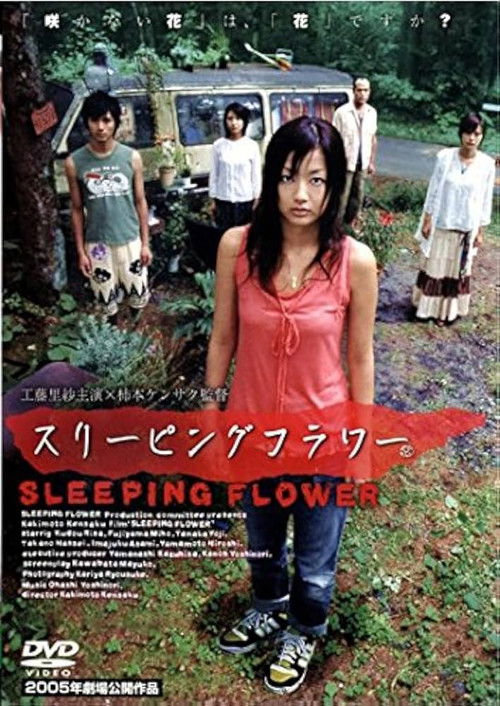
Sleeping Flower
Plot
Get the Weekly Woke Watchlist
New and trending movies scored for woke bias, preachy messaging, and forced political themes — before you waste your evening.
No spam. One useful email per week.
Overall Series Review
Categorical Breakdown
The film is a Japanese production set in a Japanese village. Characters are defined by their internal emotional state and relationship dynamics. There is no vilification of 'whiteness' and no application of a Western-style intersectional lens to the story's conflict.
The narrative is contained within a Japanese cultural context. The focus on a 'tranquil village' and local community interaction frames the setting as a place for healing and connection, not as a vehicle for self-hatred or a critique of Western civilization.
The main characters are two sisters, making the story female-centric. However, their core journey is about personal rest and inner knowing, which is a common drama trope. There is no indication of a 'Girl Boss' or 'Mary Sue' archetype, or overt anti-natalist messaging to drive the plot.
As a 2005 Japanese film about two sisters seeking a quiet retreat in a country town, there are no reported themes that center on sexual ideology, the deconstruction of the nuclear family, or gender theory lecturing.
The core conflict is personal and psychological, focusing on healing and character interaction in a rural setting. There is no material or thematic evidence to suggest a critique of traditional religion, specifically Christianity, or an endorsement of moral relativism as a central theme.
Get the Weekly Woke Watchlist
New and trending movies scored for woke bias, preachy messaging, and forced political themes — before you waste your evening.
No spam. One useful email per week.