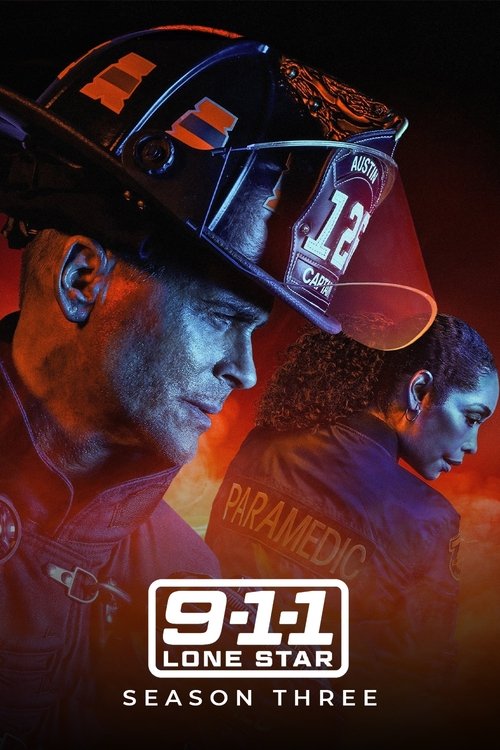
9-1-1: Lone Star
Season 3 Analysis
Season Overview
The 126 is shut down and the crew is dispersed across the city. a massive and unexpected arctic front hits Austin with an ice storm, causing widespread chaos, Can Owen & Tommy not only save the city but find a way to resurrect and reunite the former 126?
Season Review
Categorical Breakdown
The 126 firehouse is explicitly built as a collection of diverse identities rather than a merit-based unit. Characters are defined by their race and religion, with frequent plotlines centered on their status as minority representatives.
The narrative frames traditional Texan culture and the established fire service hierarchy as outdated or exclusionary. It positions the progressive new guard as the necessary correction to a backwards heritage.
Female characters are portrayed as hyper-competent and emotionally superior leaders. Male leads are frequently depicted as neurotic, overly sensitive, or reliant on women to solve their emotional crises.
Queer identities are the emotional core of the series. The show features a prominent same-sex romance and a transgender lead, treating the normalization of these identities as a primary narrative goal.
The show treats religion with unexpected respect. It portrays the Christian faith of the Ryder family and the Muslim faith of Marjan Marwani as sources of strength, community, and moral clarity.