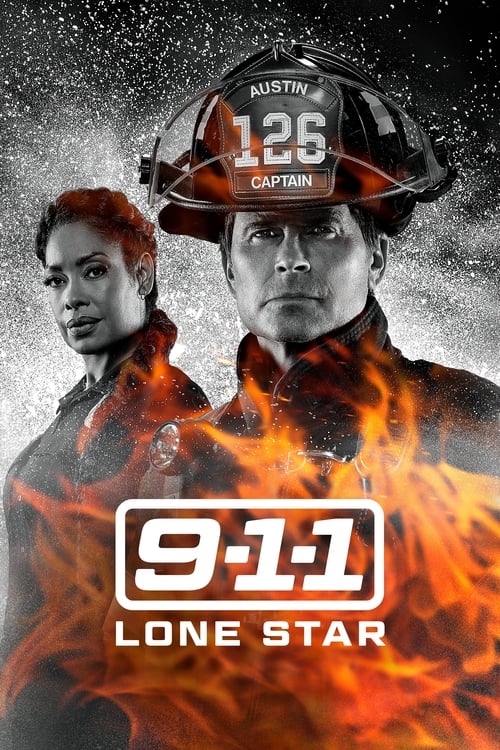
9-1-1: Lone Star
Season 4 Analysis
Season Overview
Owen, Tommy and the rest of the 126 are being called into action to a county fair when a ‘derecho,’ a series of fast-moving group of severe thunderstorms, hit Austin, causing hurricane and tornado-force winds, heavy rains, flash floods and a wide path of destruction. And just when they think it couldn’t get worse, an even more rare weather phenomenon, a ‘heat burst,’ causing temperatures to go up to 122 degrees Fahrenheit, hits the city.
Season Review
Categorical Breakdown
Characters are selected and defined by their specific intersections of race, gender, and religion. The 126 team is framed as a deliberate rejection of traditional, merit-based hiring in favor of a curated diversity roster.
The narrative often positions the progressive culture of the firehouse against a Texas backdrop that is subtly framed as less enlightened. Local traditions are frequently treated as obstacles to be modernized.
Female leads are depicted as hyper-competent 'Girl Bosses' who rarely face failure. Men in the series are often portrayed as emotionally volatile or in need of correction from their female counterparts.
Queer identities are the emotional and narrative center of the season. The show promotes gender ideology through a transgender main character and focuses heavily on a high-profile same-sex relationship, treating these dynamics as the cultural norm.
While some characters are religious, their faith is strictly tailored to fit progressive social values. Traditional religious views that conflict with modern secularism are either ignored or portrayed as outdated.