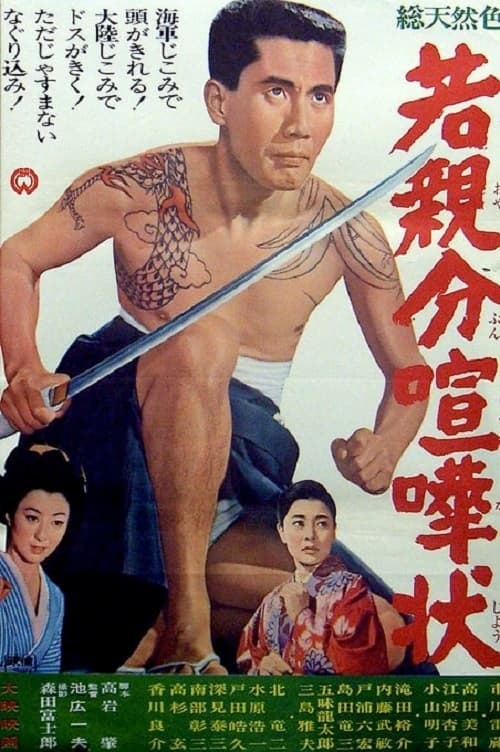
Young Boss: Invitation to Fight
Plot
Get the Weekly Woke Watchlist
New and trending movies scored for woke bias, preachy messaging, and forced political themes — before you waste your evening.
No spam. One useful email per week.
Overall Series Review
Categorical Breakdown
The entire premise is built on the main character's personal talent and merit as a 'Young Ace' in sports and academics. There is zero focus on intersectional hierarchy, racial grievances, or the vilification of any group based on immutable characteristics.
The film is part of a Japanese franchise that celebrates a successful Japanese student navigating modern life, often traveling the world as an example of Japanese vitality. It demonstrates gratitude for home culture and national success, showing no civilizational self-hatred.
The gender dynamics are traditional and complementary. The hero represents protective masculinity and vitality, while the female characters function primarily as romantic interests, not 'Mary Sue' figures. There is no anti-natalist or anti-family messaging present; the score is a 2 because the gender roles reflect the norms of the 1960s rather than a modern, explicit celebration of motherhood.
As a mainstream 1960s romantic comedy, the film's structure is entirely normative, centering on the male-female pairing of the main character and his love interest. Sexual identity is private, and the film does not engage with queer theory or gender ideology lecturing.
The narrative is a purely secular, lighthearted entertainment focused on sports and romance. It does not contain any anti-religious or specifically anti-Christian messaging, and the moral framework of the hero vs. the trickster antagonist (the 'Japanese Rat Snake') affirms a basic objective truth regarding fair play and honesty.
Get the Weekly Woke Watchlist
New and trending movies scored for woke bias, preachy messaging, and forced political themes — before you waste your evening.
No spam. One useful email per week.