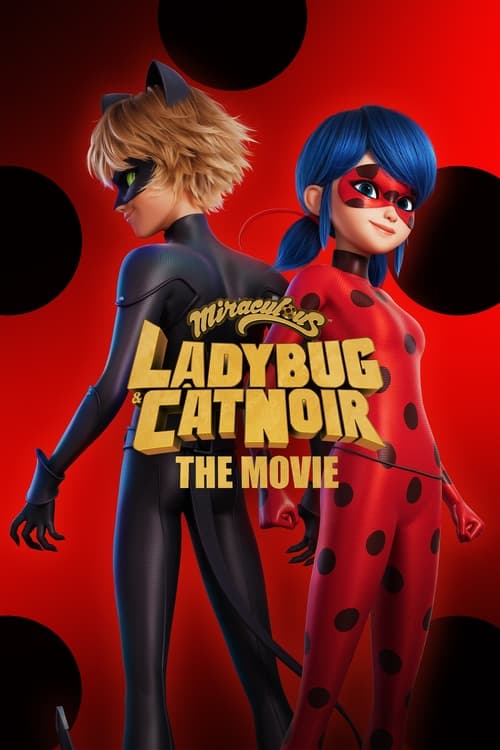
Miraculous: Ladybug & Cat Noir, The Movie
Plot
After a guardian of magical jewels turns an awkward girl and a popular boy into superheroes, they can never reveal their identities — even to each other.
Get the Weekly Woke Watchlist
New and trending movies scored for woke bias, preachy messaging, and forced political themes — before you waste your evening.
No spam. One useful email per week.
Overall Series Review
Categorical Breakdown
The main character, Marinette, is of mixed French and Chinese heritage, and her primary friends are characters of color. The narrative, however, centers on her merit (selflessness and courage) and universal personal growth, not on her immutable characteristics or any perceived systemic oppression. The white male character, Adrien, is heroic, while the main villain, Gabriel Agreste (also white), is motivated by personal grief, not 'whiteness' or privilege. The conflict is based on emotional trauma and magical power misuse, reflecting universal character flaws and virtues.
The entire story is a defense of the home culture. The setting is Paris, France, and the main goal of the heroes is to protect their city and its landmarks, which are presented as beautiful and worthy of saving. The narrative contains no critique or hostility toward French/Western civilization, its institutions, or its history. The film's themes—the value of life and family—show gratitude toward foundational institutions. The antagonist's actions are personal, not a civilizational indictment.
Marinette is initially awkward, unconfident, and clumsy. Her hero arc is a story of growth and learning to believe in herself, preventing her from being an instant 'Mary Sue' or 'Girl Boss.' She performs a heroic, selfless act *before* receiving her powers. The central dynamic is a complementary romantic partnership where both the male and female lead are vital to saving the day, with themes of love and teamwork being central to the victory. The villain's motivation emphasizes the sanctity of the family unit, though through a twisted path of grief.
The focus of the story's romantic and social dynamic is exclusively on the developing, traditional male-female pairing between Marinette and Adrien, both in their civilian and superhero identities. There are no mentions or focus on alternative sexualities, gender ideology, or deconstruction of the nuclear family as a societal institution. The structure is entirely normative.
The core morality is transcendent and objective: saving people and the world is good, causing an apocalypse is evil. The film explicitly promotes the idea that 'love ultimately conquers death' and values life and family. The source of the heroes' power is purely fantastical, coming from 'magical jewels' and genie-like 'Kwamis,' which is noted to be 'somewhat reminiscent of Eastern spirituality,' moving the source of power away from a Western/Christian transcendent moral law but not actively displaying hostility toward it.
Get the Weekly Woke Watchlist
New and trending movies scored for woke bias, preachy messaging, and forced political themes — before you waste your evening.
No spam. One useful email per week.