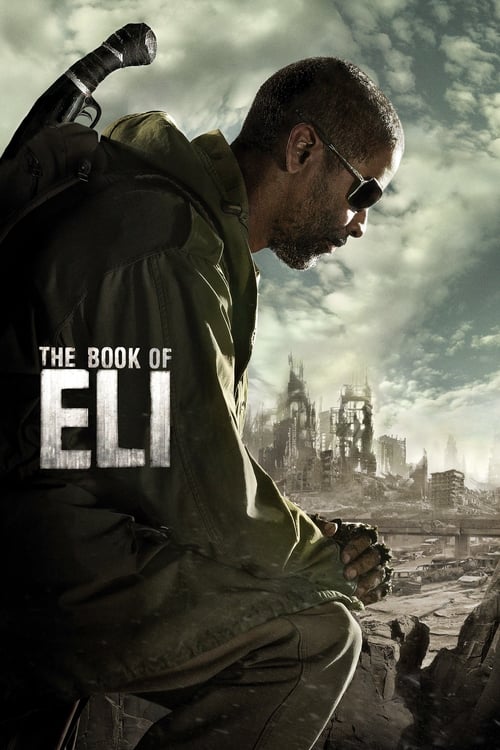
The Book of Eli
Plot
A post-apocalyptic tale, in which a lone man fights his way across America in order to protect a sacred book that holds the secrets to saving humankind.
Get the Weekly Woke Watchlist
New and trending movies scored for woke bias, preachy messaging, and forced political themes — before you waste your evening.
No spam. One useful email per week.
Overall Series Review
Categorical Breakdown
Characters are judged solely on their moral content and survival competence in the wasteland. The Black male protagonist is an unstoppable hero guided by a moral purpose, while the White male antagonist is evil due to his lust for tyrannical control. Race is entirely incidental to the central conflict and character motivations, representing a universal meritocracy of the soul and skill.
The pre-war civilization is destroyed, which could imply a failure of the West, but the narrative is overwhelmingly focused on the essential goodness of restoring its foundational spiritual text. The film presents institutions like faith and morality as the only shield against the chaos of the wasteland, advocating for civilizational renewal rather than self-hatred.
The core relationship is a traditional one between an immensely capable male mentor and a female apprentice who learns moral discipline from him. The protagonist is the definitive figure of protective masculinity. The primary female character, Solara, is depicted as a capable survivor who develops through learning and following a higher spiritual path, not as an instantly perfect 'Girl Boss' figure.
The movie contains no themes, characters, or dialogue related to alternative sexualities or gender ideology. The focus is strictly on survival and a singular religious mission, leaving sexuality and family structure as a normative backdrop to the post-apocalyptic chaos.
The film explicitly defends faith and the Bible as the key to saving humanity. The protagonist is on a mission from God, and his faith is the source of his strength and morality. The antagonist's desire to misuse the Bible is presented as a critique of religious abuse, which reinforces the value of its true, transcendent message.
Get the Weekly Woke Watchlist
New and trending movies scored for woke bias, preachy messaging, and forced political themes — before you waste your evening.
No spam. One useful email per week.