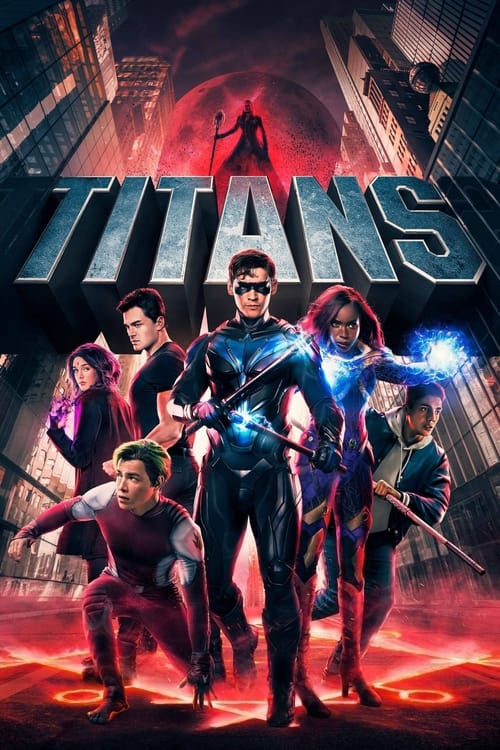
Titans
Season 4 Analysis
Season Overview
Having saved Gotham, the Titans hit the road to head back to San Francisco. But after a stop in Metropolis, they find themselves in the crosshairs of a supernatural cult with powers unlike anything they’ve faced before.
Season Review
Categorical Breakdown
The core team features a diverse cast, including an Asian male playing Tim Drake (Robin). The narrative centers on a mystical cult plot and character development rather than social justice lectures or systemic oppression. The white male leads, Nightwing and Superboy, are at times depicted as struggling or 'weakest' on the team, particularly Dick Grayson who a reviewer found unlikeable and stoic, which slightly diminishes the central white male figure. However, the overall plot is not driven by racial or intersectional hierarchy.
The main antagonists are a supernatural cult known as the Church of Blood who seek to bring the demon Trigon to Earth. The conflict is an epic confrontation between a superhero team and a literal, global-scale spiritual evil. There is no evidence in the plot of hostility toward Western civilization, one's home, or ancestors; the threat is clearly external and occultic.
Starfire (Kory Anders) is consistently depicted as a strong, competent leader and is explicitly called a 'good leader/parent'. Dick Grayson's leadership is questioned, and he is described by some commentary as the 'weakest Titan'. While the primary male hero is portrayed with notable flaws, the season also strongly features a 'DickKory' romantic pairing that is celebrated and given a 'happy ending'. Female leads are strong, but not instantaneous 'Mary Sues,' and the narrative affirms a romantic relationship and positive parenting imagery.
The character Tim Drake (Robin), historically a heterosexual character in the comics, is introduced and features a non-plot-centric but significant same-sex relationship with a STAR Labs scientist named Bernard. This inclusion centers an alternative sexuality for a major franchise character. While there is no overt lecturing on gender theory, the prominent and celebrated nature of the pairing for an iconic young hero places the score significantly above a normative structure.
The primary storyline revolves around a 'supernatural cult' and the attempt to summon a literal demon, Trigon. The heroes fight against this dark, organized spiritual force and its occult practices. This establishes a framework of Objective Truth and a higher moral law where a literal spiritual evil must be defeated, directly aligning with Transcendent Morality rather than moral relativism.