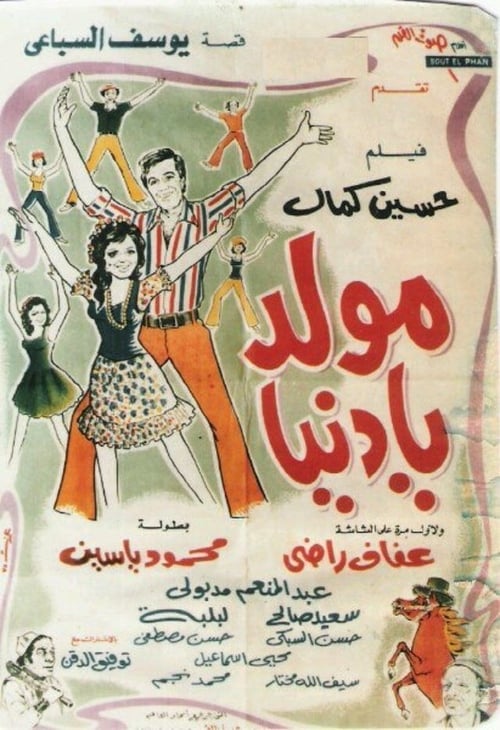
Life is a Carnival
Plot
A group of talented youth exploited by the head of a gang in his suspicious work while a dance coach tries to make a band of them.
Get the Weekly Woke Watchlist
New and trending movies scored for woke bias, preachy messaging, and forced political themes — before you waste your evening.
No spam. One useful email per week.
Overall Series Review
Categorical Breakdown
The narrative focuses entirely on the exploitation of 'talented youth' and their struggle to form a band through skill and hard work. Character success is based on musical/dance merit and moral fortitude, not on an immutable characteristic or a lecture about systemic privilege.
The conflict pits the aspiring artists and their coach against a specific, local villain (the gang head). The focus is on a struggle for a better future within their community through the positive act of creating art, which upholds the value of their environment and aspirations. There is no deconstruction of heritage or hostility toward their own culture.
The plot centers on a dance coach guiding talented youth to form a band. This is a story of mentorship and collective effort. There is no indication of 'Girl Boss' tropes, emasculation of male characters, or anti-natalist messaging. The scoring reflects the common presence of traditional gender roles in 1970s cinema without suggesting a modern feminist agenda.
The core plot, dealing with a gang exploiting talented youth and a dance coach forming a band, is focused on crime and artistic endeavor. A 1975 film with this theme exhibits a Normative Structure where sexual identity is not a plot-driving element, and there is no presence of queer theory or deconstruction of the nuclear family.
The film's central conflict between a gang leader and aspiring artists is secular and morally straightforward. The fight is against a criminal figure, not an institution of faith. The narrative is driven by Objective Truths like morality and justice prevailing over exploitation, not subjective power dynamics or anti-religious rhetoric.
Get the Weekly Woke Watchlist
New and trending movies scored for woke bias, preachy messaging, and forced political themes — before you waste your evening.
No spam. One useful email per week.