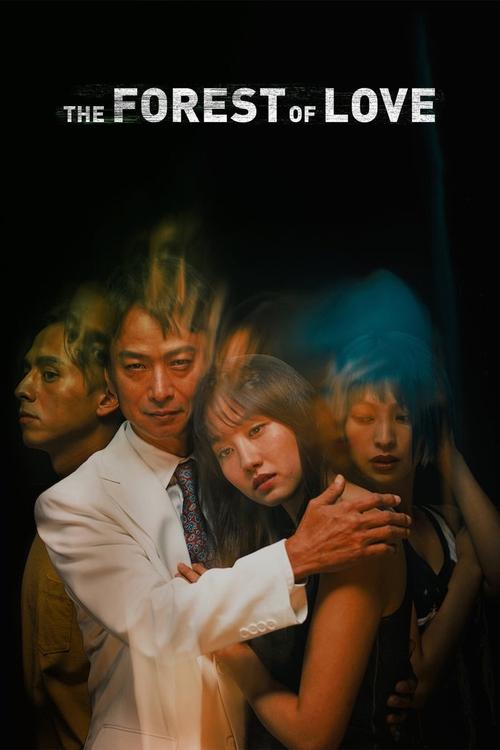
The Forest of Love
Plot
A con man and a would-be filmmaking crew force themselves into the lives of two grief-scarred young women. But nothing is as it seems.
Get the Weekly Woke Watchlist
New and trending movies scored for woke bias, preachy messaging, and forced political themes — before you waste your evening.
No spam. One useful email per week.
Overall Series Review
Categorical Breakdown
The narrative does not engage in Western-style intersectional politics, historical race-swapping, or the vilification of whiteness as the film is a Japanese production with an all-Japanese cast. Character descent is driven by psychopathy, trauma, and personal flaws rather than immutable characteristics. The antagonist, however, is critiqued as a stand-in for 'Japanese patriarchy,' introducing a focus on structural oppression within a specific cultural context.
The film functions as a sweeping condemnation of its own culture. It presents the antagonist as embodying 'Japanese patriarchy' and overtly denounces the national 'culture of obedience.' The core message is that 'Japanese society doesn't give a sh*t about its young girls,' thereby framing the home culture as fundamentally corrupt and repressive.
The movie is an anti-thesis to the 'Girl Boss' narrative. Female characters are consistently depicted as vulnerable, gullible, suicidal, and self-destructive victims who are easily manipulated and subjected to extensive abuse, torture, and rape by the male antagonist. The narrative structure completely negates any trope of female perfection or effortless power.
Alternative sexuality is woven into the backstory as a source of deep-seated trauma for the two main female characters, rooted in their attraction to a girl who was cast as Romeo. The narrative references a gender-swapped 'Romeo' in a way that incorporates non-normative gender dynamics into the central emotional conflict. This inclusion raises the score beyond a normative structure, though the focus is on psychological trauma, not political advocacy.
The story embraces moral relativism and nihilism, portraying a world where a charismatic serial killer can turn all characters into amoral participants in violence, murder, and depravity. The pervasive atmosphere of the 'dark depths of human nature' and the exploration of life's worthlessness serve as a powerful rejection of transcendent morality and objective truth.
Get the Weekly Woke Watchlist
New and trending movies scored for woke bias, preachy messaging, and forced political themes — before you waste your evening.
No spam. One useful email per week.