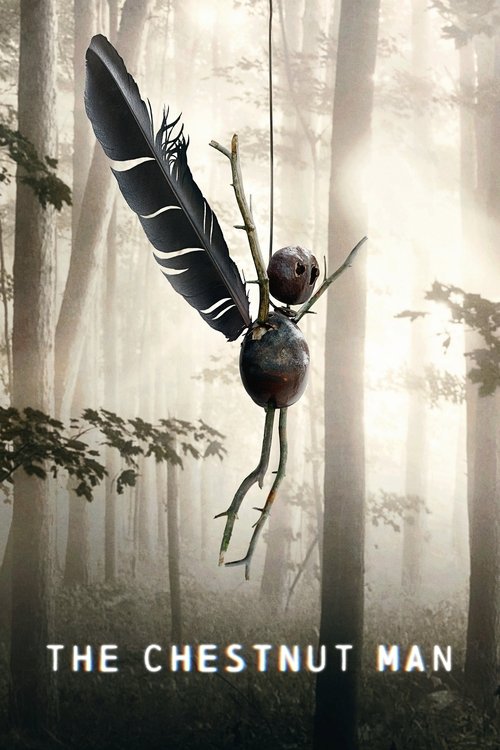
The Chestnut Man
Season 1 Analysis
Season Overview
A figurine made of chestnuts is found at the scene of a grisly murder; from this creepy clue, two detectives hunt for a killer linked to a politician's missing child.
Season Review
Categorical Breakdown
The cast is authentically Danish and characters are defined by their actions and trauma rather than race or privilege. The narrative ignores intersectional quotas and focuses on merit and character-driven plot points.
The plot critiques specific flaws in Denmark's social welfare and foster care systems. This serves the mystery's focus on institutional blind spots rather than expressing a hatred for the culture or nation itself.
The female lead is a capable detective but is portrayed as deeply flawed, particularly regarding her neglect of her daughter for her job. Her male partner is equally competent and essential to the case, maintaining a balance of respect.
Sexual identity and gender theory are absent from the narrative. The show remains focused on the crime and the dynamics of traditional, albeit broken, family units.
The series is largely secular and lacks any specific hostility toward religion or traditional morality. It operates within a clear framework of objective good and evil concerning the protection of children.