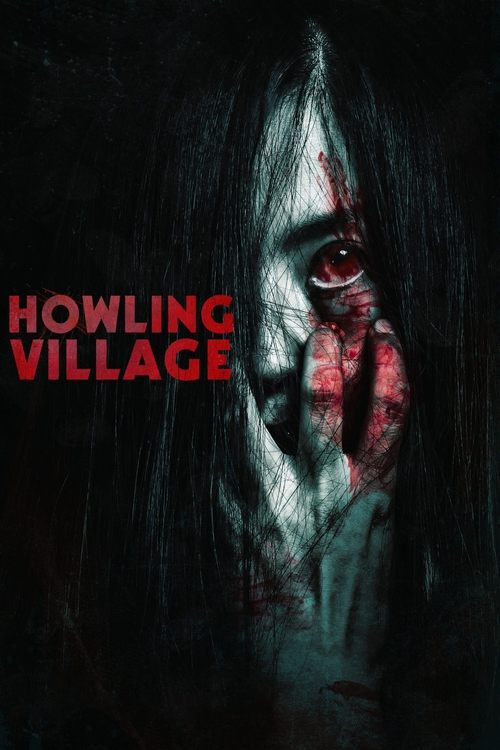
Howling Village
Plot
After her brother goes missing, a young psychologist visits an infamous haunted and cursed location known as ‘Howling Village’ to investigate his disappearance and uncover her family’s dark history.
Get the Weekly Woke Watchlist
New and trending movies scored for woke bias, preachy messaging, and forced political themes — before you waste your evening.
No spam. One useful email per week.
Overall Series Review
Categorical Breakdown
The plot's entire conflict rests on the persecution and erasure of the secluded Inunaki Village, a marginalized group considered the 'other' by mainstream society. The protagonist's 'filthy blood' maternal line, which possesses the spiritual abilities, is implicitly positioned against the corrupt, authoritarian paternal Morita line, which caused the systemic violence for financial gain. The film's core theme is a lecture on the destructive nature of not accepting other communities and the consequences of historic oppression.
The narrative criticizes the negative aspects of modern Japanese society, represented by corporate greed and a 'profit-driven desire' that leads to the destruction of a village and its culture. The villainous ancestor is a male Japanese ancestor who worked for a power company. The film frames a localized, corrupt Japanese authority and a capitalistic mindset as fundamentally antithetical to morality, resulting in the demonization of that part of the national past and system.
The female protagonist is a competent professional (child psychologist) who is the only character with the spiritual capacity to solve the mystery. Her supernatural gift to see spirits is a power passed down exclusively through the female bloodline, centralizing women as the agents of truth and spiritual power. The men in the story are portrayed as either bumbling victims (the brothers) or as authoritarian and villainous perpetrators of the original crime (the father and paternal grandfather).
There is no content found to suggest the presence of alternative sexualities, gender ideology, or a critique of the traditional family unit through a queer theory lens. The central family unit is traditional, although broken by the curse and dark history.
The film is saturated with supernatural elements like curses, vengeful spirits, and folk legend. The spiritual world, while terrifying, is based on the objective moral law of just vengeance; the ghosts' rage is presented as 'more justified than not' due to the profound, unforgivable injustice they suffered. This acknowledges a transcendent moral reality and justice that operates outside of human law, not a spiritual vacuum or moral relativism. The critique is aimed at corporate greed, not religion.
Get the Weekly Woke Watchlist
New and trending movies scored for woke bias, preachy messaging, and forced political themes — before you waste your evening.
No spam. One useful email per week.