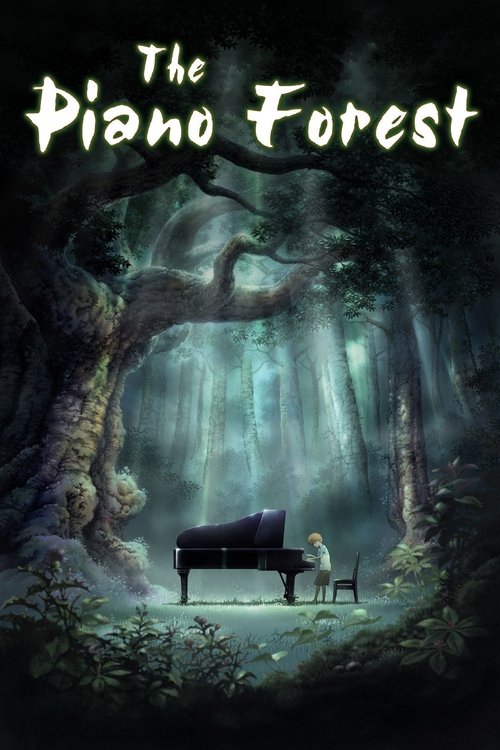
The Piano Forest
Plot
Shuhei Amamiya transfers to Moriwaki Elementary filled with hope and ambition. But it doesn't take long before he gets picked on by the class bullies, and gets involved in a dare to play the mysterious piano in the forest. Igniting his meeting with an equally enigmatic child, Kai Ichinose, who seems to be the only one capable getting sound out of the thought to be broken piano.
Get the Weekly Woke Watchlist
New and trending movies scored for woke bias, preachy messaging, and forced political themes — before you waste your evening.
No spam. One useful email per week.
Overall Series Review
Categorical Breakdown
The movie primarily contrasts two male characters based on economic class and privilege, not race or other immutable characteristics. Kai is from the slums, and Shuhei is from a privileged background, setting up a dynamic of 'street' authenticity versus 'establishment' rigor. This class-based critique introduces a slight element of intersectional framing. The ultimate judgment, however, rests on pure artistic merit and passion, which places character value above systemic factors. It features universal meritocracy in the field of music.
The film is Japanese and displays no hostility toward its own culture or ancestors. The story revolves around the mastery and appreciation of Western Classical Music (piano pieces by Chopin, etc.), which is celebrated as a high art form, not demonized as an external or corrupt 'Western' influence. The narrative respects the institutions of art and the dedication required for mastery.
The main focus is entirely on the male protagonists and their male mentor. There is no presence of a 'Girl Boss' trope or the emasculation of male characters; the male leads are respected and driven prodigies. The most prominent female character is Kai's single mother, a sex worker, but her depiction is a socio-economic detail used to motivate her son, not a platform for anti-natal or anti-family messaging. Masculinity is shown as protective and aspirational.
The story contains no elements of a queer theory lens. The narrative does not center on alternative sexualities, deconstruct the nuclear family as a political concept, or lecture on gender ideology. The focus is exclusively on the musical and personal development of the two young male friends.
The film focuses on the 'magic' of the abandoned piano, which serves as a secular symbol of transcendent artistic passion and a higher spiritual-emotional truth in music. It does not contain any anti-theistic elements, hostility toward traditional religion, or Christian characters being portrayed as villains or bigots. The pursuit of artistic truth acknowledges an objective, higher moral and aesthetic law within its subject matter.
Get the Weekly Woke Watchlist
New and trending movies scored for woke bias, preachy messaging, and forced political themes — before you waste your evening.
No spam. One useful email per week.